Painting your home can dramatically improve its appearance, protect surfaces, and increase curb appeal. However, the residential painting cost in New Jersey can vary significantly from one property to another. A small room with smooth walls may require relatively little preparation, while a large home with damaged surfaces, high ceilings, detailed trim, or exterior repairs can require considerably more labor and materials.
In 2026, published New Jersey painting estimates commonly place whole-home projects in a broad range, with some guides citing approximately $4,000–$10,000 for a 2,000-square-foot home depending on scope, preparation, and finish requirements. Interior and exterior projects can vary considerably, so homeowners should use these figures only as planning estimates rather than guaranteed prices.
Average Residential Painting Cost in New Jersey
There is no universal price for painting a New Jersey home. Contractors may calculate estimates according to square footage, rooms, painted surface area, or the complete scope of work. The following table provides general planning ranges based on recently published NJ pricing information.
| Painting Project | Typical Planning Range | Factors That Can Increase Cost |
|---|---|---|
| Small interior room | $300–$900+ | Repairs, trim, ceilings, color changes |
| Living room | $500–$1,500+ | Size, height, detail work, preparation |
| Full interior | $3,500–$8,000+ | Number of rooms, ceilings, trim, repairs |
| Exterior painting | $4,000–$18,000+ | Siding, access, height, surface condition |
| Whole-home project | $4,000–$10,000+ and higher | Interior/exterior scope and extensive preparation |
Actual pricing can fall outside these ranges because every property has different requirements. Some 2026 NJ painting guides report full interior projects from around $3,500 to $8,000, while exterior projects can reach $18,000 or more depending on home size, siding, access, and preparation.
Size of the Home and Painting Area
One of the most obvious factors affecting house painting cost in NJ is the size of the project. Larger homes generally require more paint, labor, preparation, protection, and cleanup.
However, contractors do not always calculate pricing simply by looking at the home’s total square footage. They may also consider the number of rooms, wall area, ceilings, doors, windows, and architectural features.
Other size-related factors include:
- Number of rooms being painted
- Total wall and ceiling area
- Number of floors
- Ceiling height
- Number of doors and windows
- Interior versus exterior surface area
- Amount of trim requiring painting
A 2,000-square-foot home with standard eight-foot ceilings may require significantly less work than a similarly sized property with vaulted ceilings and extensive architectural details.
2. Interior vs. Exterior Painting
The type of painting project also has a major impact on your residential painting cost in New Jersey.
Interior Painting
Interior projects may involve walls, ceilings, doors, baseboards, crown molding, staircases, and other detailed surfaces. Furniture protection, drywall repairs, sanding, priming, and multiple coats can also add labor.
Exterior Painting
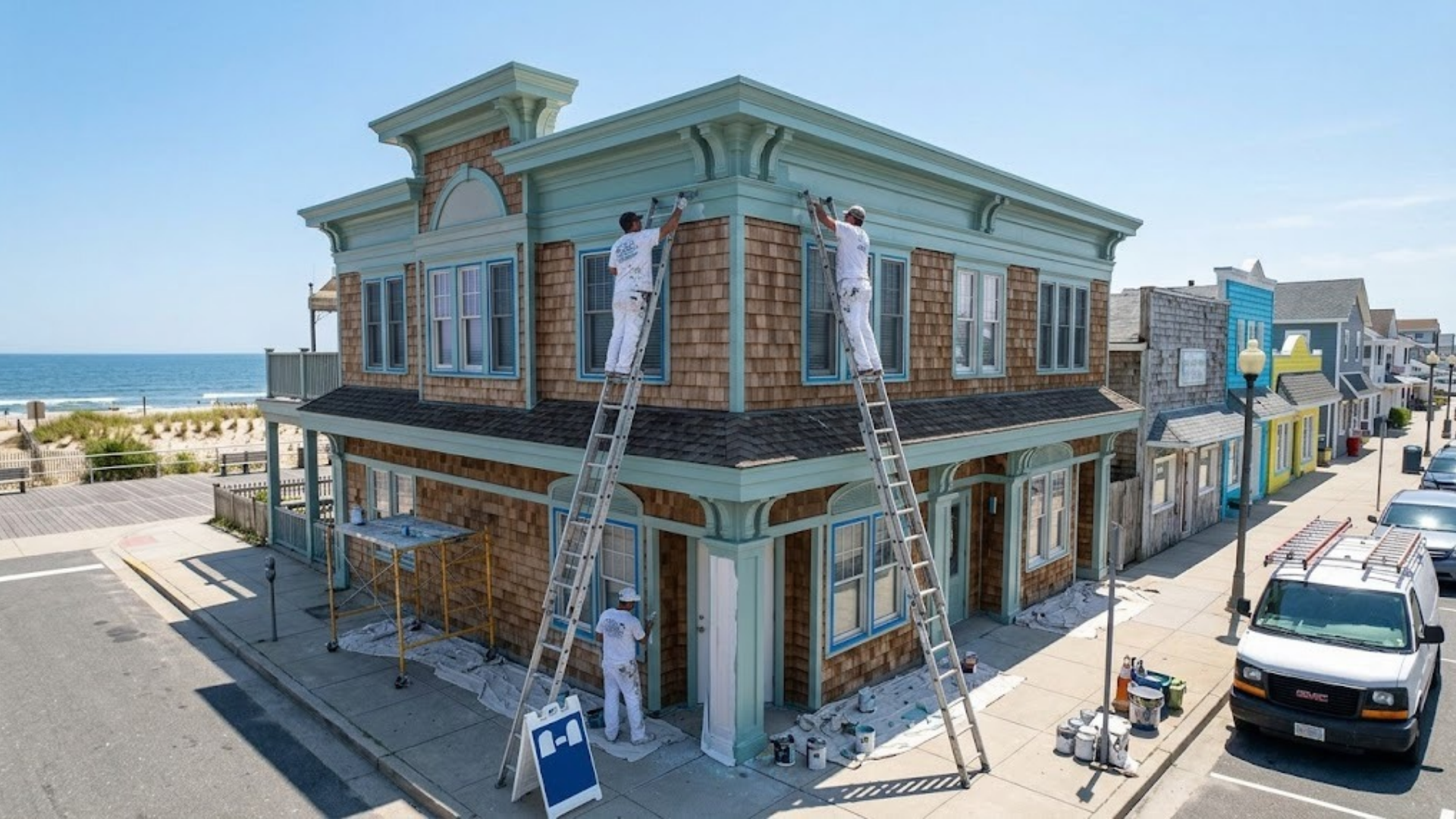
Exterior painting often requires more intensive preparation because surfaces are exposed to New Jersey’s weather. Power washing, scraping, sanding, caulking, priming, and exterior repairs may all be necessary before the finish coats are applied. Multi-story homes can also require ladders, scaffolding, and additional safety measures.
Surface Condition and Preparation
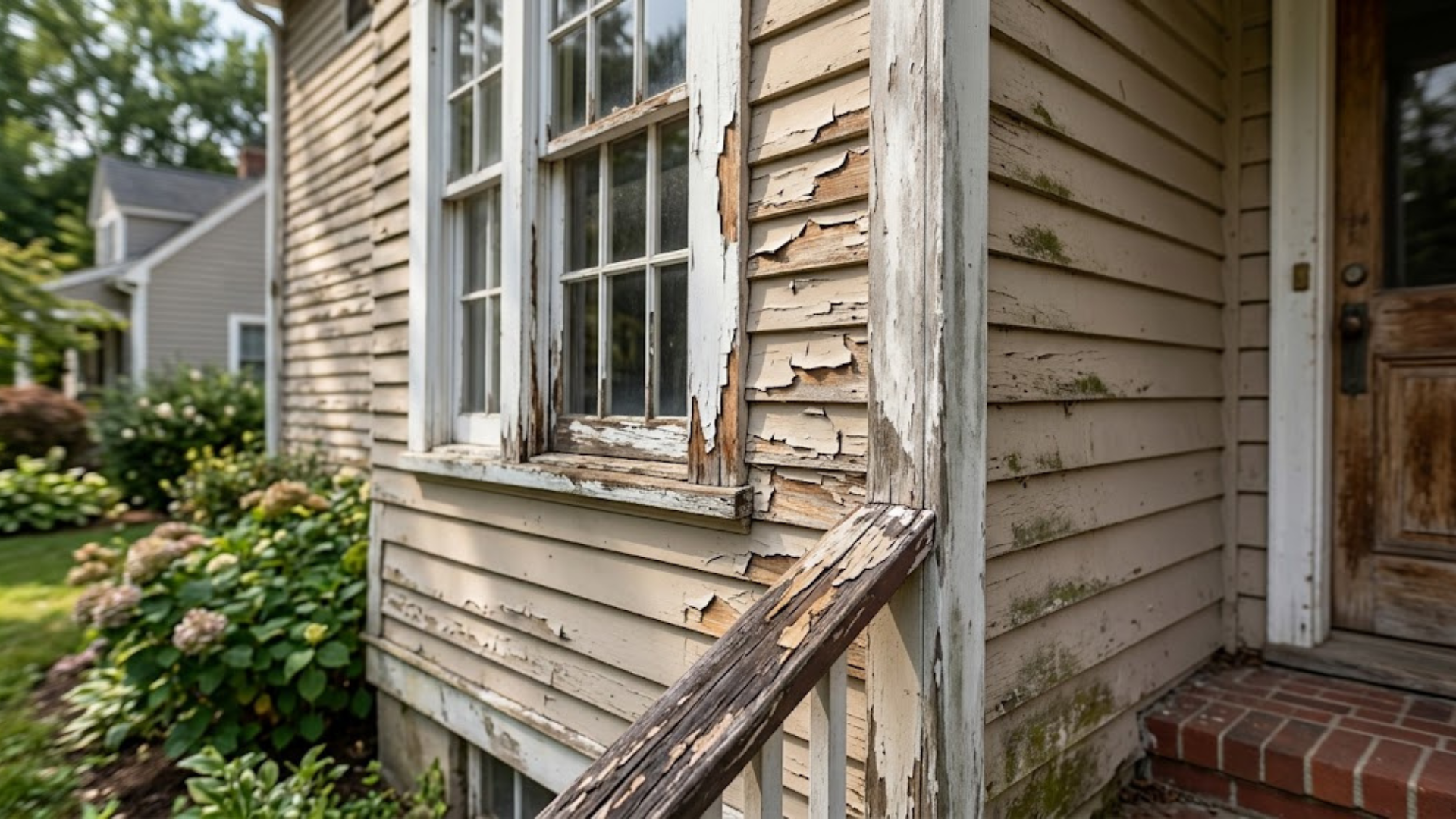
Preparation is one of the biggest factors homeowners should consider when estimating home painting cost in New Jersey. Professional painting is not simply about applying a fresh coat of paint. The condition of the existing surface determines how much preparation must be completed beforehand.
Costs may increase when painters encounter:
- Peeling or flaking paint
- Cracks and holes
- Damaged drywall
- Water stains
- Wallpaper that must be removed
- Heavy sanding requirements
- Bare surfaces requiring primer
- Damaged exterior wood
- Rot around trim or window areas
- Mold or mildew on exterior surfaces
Extensive preparation can significantly increase labor time, but skipping necessary preparation can lead to poor adhesion, uneven coverage, and premature paint failure.
Paint Quality, Finish, and Number of Coats
The paint product selected also influences the overall cost. Budget paints may have a lower upfront price, while premium products can cost more because of their coverage, durability, washability, or specialized characteristics.
Homeowners should consider:
- Paint brand and quality
- Interior or exterior formulation
- Low-VOC options
- Matte or flat finishes
- Eggshell and satin finishes
- Semi-gloss and gloss finishes
- Primer requirements
- Number of finish coats
A dramatic color change may require additional coats to achieve consistent coverage. Similarly, some surfaces need primer before the final paint is applied. Current NJ pricing guides identify paint quality and the number of coats as important cost variables.
Labor and Contractor Experience
Labor represents a substantial part of professional residential painting NJ costs. Experienced painters spend considerable time preparing surfaces, protecting floors and furniture, applying paint correctly, performing detail work, cleaning the area, and inspecting the finished project.
Labor requirements can increase when a home has:
- High or vaulted ceilings
- Multiple stories
- Complicated layouts
- Extensive trim
- Staircases
- Difficult exterior access
- Detailed architectural features
Rather than selecting a contractor based solely on the lowest estimate, homeowners should compare exactly what each quote includes.
Trim, Doors, Ceilings, and Detailed Features
Painting walls alone is very different from painting an entire room from top to bottom. Trim and architectural details require additional preparation and careful application.
Additional services may include:
- Baseboards
- Crown molding
- Window casings
- Interior doors
- Exterior shutters
- Railings
- Ceilings
- Wainscoting
- Built-in cabinets
Each additional surface increases the scope of work and may require separate preparation, masking, sanding, and finishing.
Accessibility and Property Layout
Accessibility can also affect painting costs in New Jersey. A contractor can generally work faster in an open, easily accessible room than in a space with restricted access or unusually high surfaces.
For exterior projects, multi-story homes may require extension ladders or scaffolding. Interior stairwells, vaulted ceilings, and other difficult areas can similarly require specialized equipment and additional labor. These accessibility challenges are commonly identified as cost factors in NJ painting estimates.
New Jersey Climate and Older Homes
New Jersey’s changing seasons can influence exterior painting requirements. Humidity, rain, snow, freezing temperatures, and freeze-thaw cycles can contribute to surface deterioration over time.
Older homes may also require more preparation because of aging wood, multiple layers of existing paint, plaster surfaces, or other conditions. For homes built before 1978, homeowners should also discuss lead-paint considerations with qualified professionals before disturbing older painted surfaces.
This is one reason an experienced New Jersey residential painting contractor should evaluate the property before providing a final price.
How to Compare Painting Estimates
Getting multiple estimates can help homeowners understand the market, but the cheapest quote is not necessarily the best value. Compare each proposal based on the complete scope of work.
Before hiring a painter, ask:
- Is surface preparation included?
- How many coats are included?
- What type of paint will be used?
- Are ceilings and trim included?
- Are minor repairs included?
- Is cleanup included?
- How long will the project take?
- Is the contractor insured and properly qualified?
A detailed estimate makes it easier to identify differences between contractors and avoid unexpected costs.
Get an Accurate Residential Painting Estimate
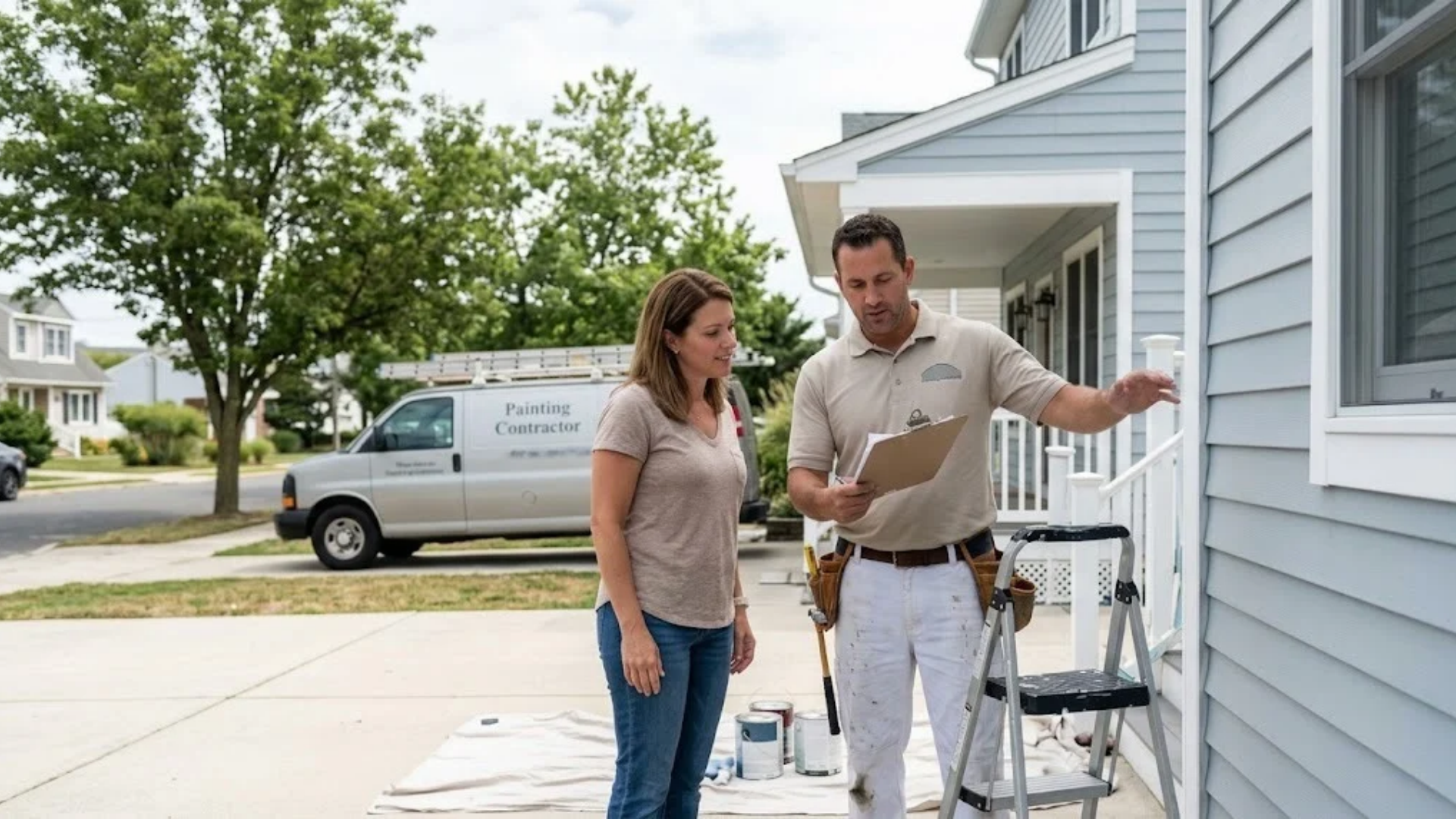
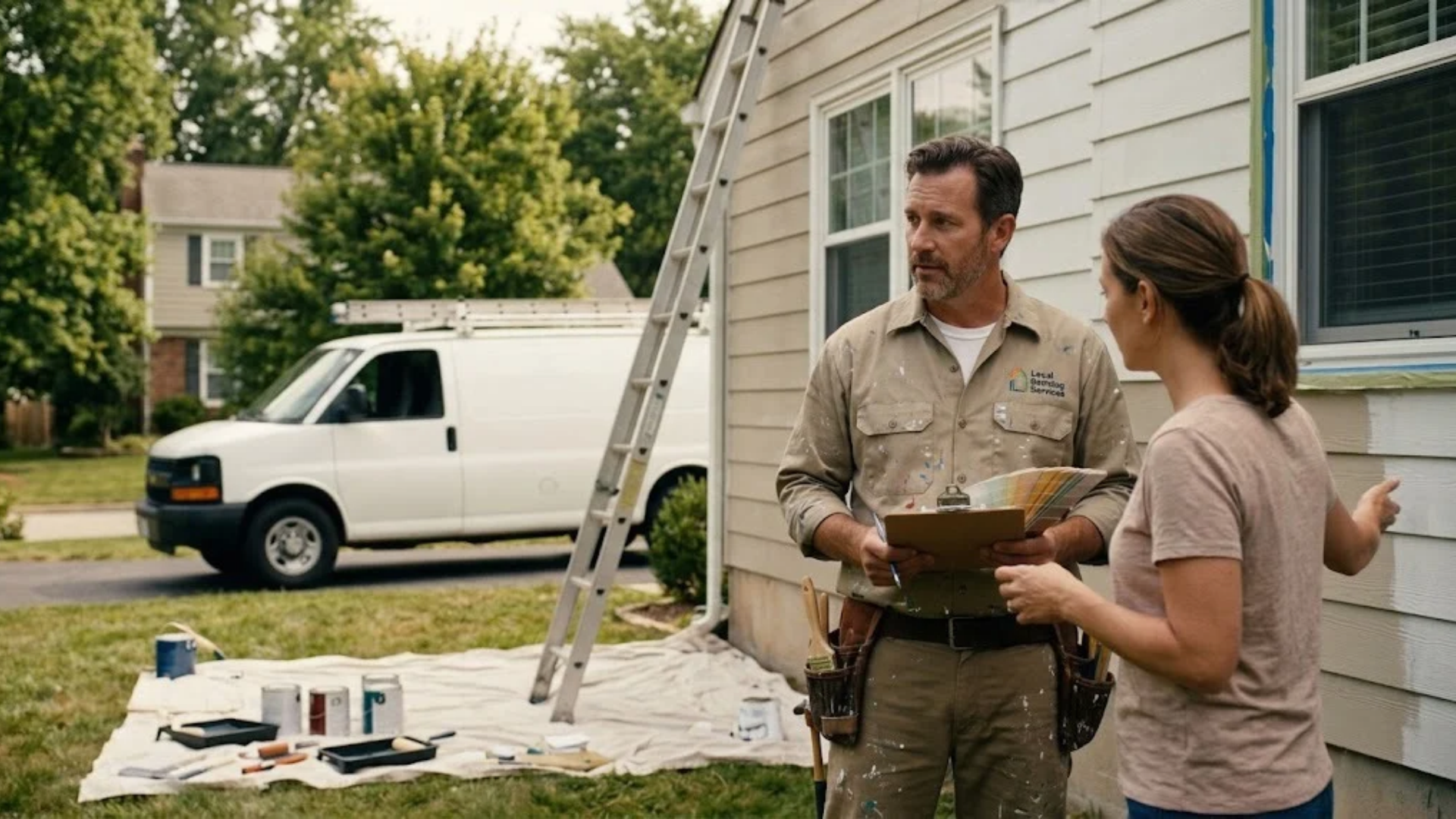
Online pricing ranges can help you establish a preliminary budget, but an on-site estimate is usually the best way to determine the actual residential painting cost in New Jersey. A professional can inspect the condition of your surfaces, measure the project, identify preparation requirements, discuss paint options, and provide a detailed scope of work.
If you’re planning to refresh your home’s interior, improve exterior curb appeal, or repaint the entire property, don’t make your decision based on price alone. Choose a professional painting contractor who clearly explains the preparation, materials, labor, number of coats, and finishing work included in the estimate.