Commercial painting is an important investment for businesses, property managers, and building owners across New Jersey. A fresh coat of paint can improve curb appeal, create a more professional environment, protect building surfaces, and even contribute to a property’s long-term value. However, one of the biggest questions before starting a project is: How much does commercial painting cost in NJ?
The answer depends on far more than the size of the building. Surface condition, paint quality, labor, accessibility, number of coats, building type, and scheduling requirements can all affect the final commercial painting estimate. Understanding these factors can help you prepare a realistic budget and choose the right commercial painting contractor in NJ.
Building Size and Paintable Square Footage
The size of a commercial property is one of the first things contractors consider when calculating painting costs. However, the total floor area does not necessarily represent the amount of painting required. Contractors typically evaluate the actual paintable square footage, including walls, ceilings, exterior surfaces, doors, trim, and other areas included in the project.
A large open warehouse, for example, may be relatively straightforward to paint, while a smaller office building with numerous rooms, hallways, doors, windows, and detailed architectural features may require considerably more labor.
Larger projects can sometimes offer better value per square foot because setup, transportation, and equipment costs are distributed across a larger area. Smaller commercial projects may have higher per-square-foot costs because many of the same preparation and mobilization expenses still apply.
Surface Condition and Preparation Work
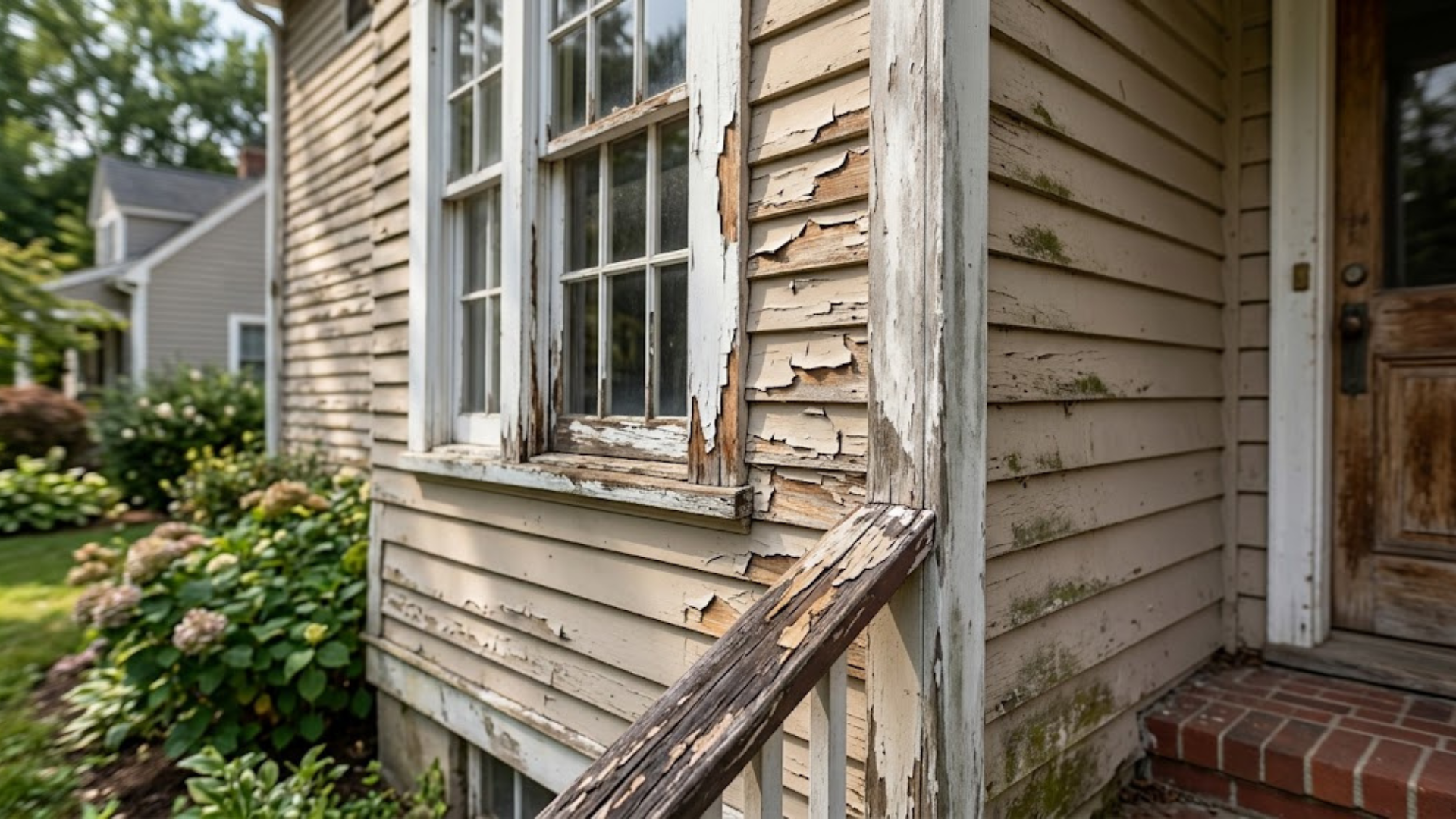
The condition of your existing surfaces can have a major impact on commercial painting costs in NJ. Painting over a clean, smooth surface is much easier than preparing an older building with peeling paint, cracks, stains, holes, rust, or damaged drywall.
Before applying new paint, professional commercial painters may need to repair and prepare the surfaces. This preparation creates a stable foundation for the new coating and helps prevent premature peeling or cracking.
Depending on the property, preparation may include:
- Removing loose or peeling paint
- Pressure washing exterior surfaces
- Repairing cracks and damaged drywall
- Sanding rough areas
- Filling holes and imperfections
- Treating rust on metal surfaces
- Cleaning grease, dirt, and other contaminants
- Applying primer where necessary
While preparation can increase the initial estimate, it is often one of the most important investments in the project. Poor preparation can cause coating failure and lead to additional repair and repainting expenses later.
Type and Quality of Paint Matter
Not every commercial property requires the same type of paint. An office interior, retail store, warehouse, restaurant, and industrial facility may each require different products based on their environment and expected level of wear.
Standard latex or acrylic paints may be suitable for many office and commercial interiors, while areas exposed to heavy traffic, moisture, chemicals, or frequent cleaning may benefit from specialized coatings such as epoxy, urethane, or elastomeric products.
The choice of coating affects both the upfront commercial painting cost per square foot and the long-term performance of the finished surface. A higher-quality coating may cost more initially, but it can provide greater durability and reduce the frequency of future maintenance.
For this reason, choosing paint solely because it has the lowest price can be a false economy. The right product should be selected based on the property’s use, surface material, exposure, and maintenance requirements.
Number of Coats, Colors, and Finish
The complexity of the color scheme can also influence the final painting estimate. A simple repaint using a similar color may require considerably less work than changing several dark surfaces to lighter shades or creating a multi-color design.
Additional labor may be necessary when the project includes:
- Multiple colors throughout the building
- Accent walls
- Detailed trim and molding
- Doors and frames
- High-contrast color changes
- Decorative or specialty finishes
- Additional primer or coats
The number of coats required depends on the existing surface, selected color, paint product, and desired finish. Your contractor should explain how many coats are included in the estimate so there are no surprises later.
Accessibility, Height, and Specialized Equipment
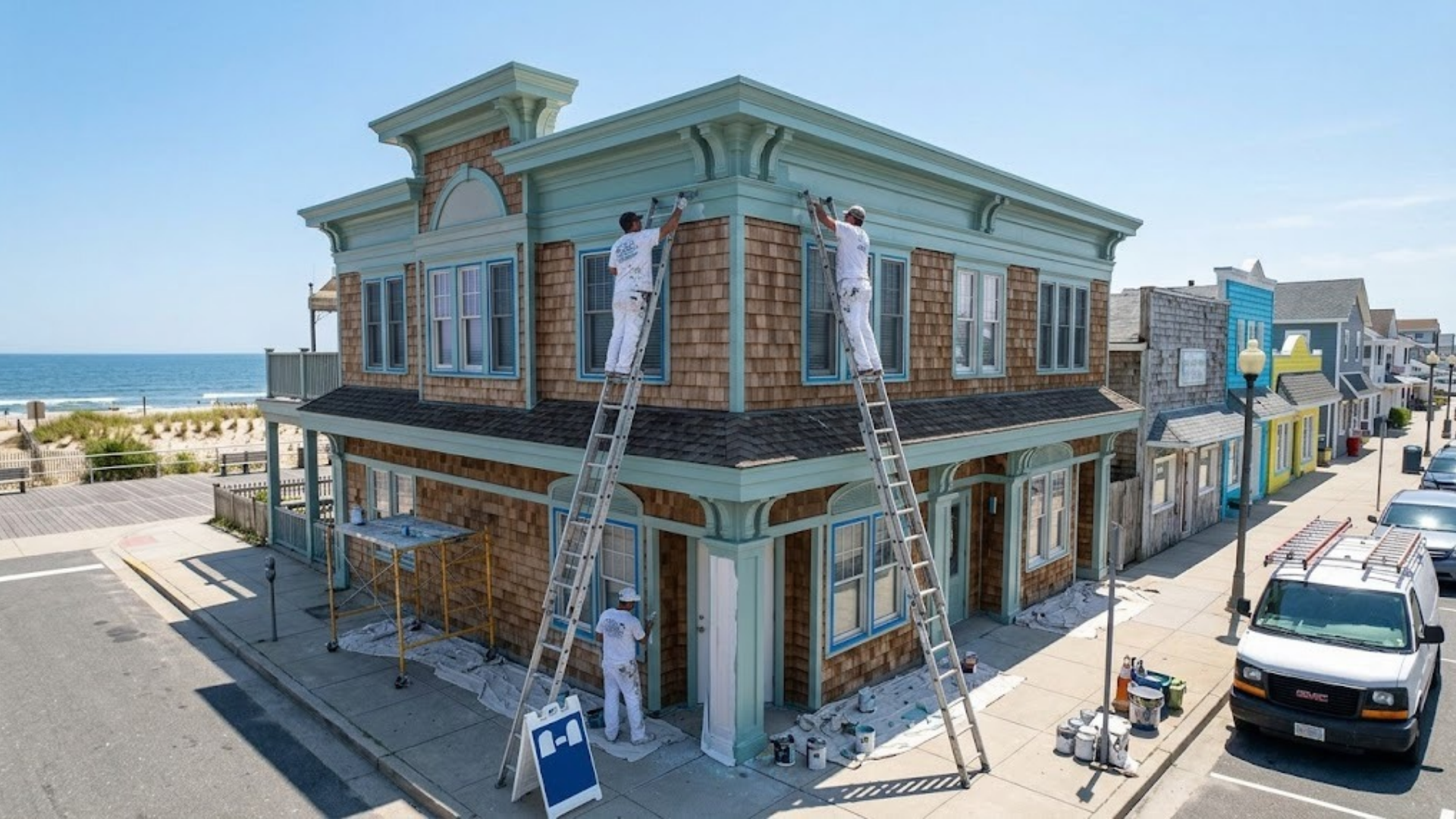
Not every commercial building is equally easy to paint. A single-story storefront with accessible walls presents very different challenges from a multi-story office building or warehouse with extremely high ceilings. When painters cannot safely reach a surface using standard equipment, additional resources may be necessary. These can include scaffolding, scissor lifts, boom lifts, and other access equipment. High ceilings, stairwells, atriums, exterior elevations, and difficult-to-reach areas can therefore increase both labor and equipment expenses. Accessibility should be evaluated during an on-site inspection rather than estimated from photographs alone. This allows the contractor to determine the safest and most efficient method of completing the work.
Labor and Scheduling Requirements
Labor is another major component of commercial painting prices in New Jersey. The total labor requirement depends on the property’s size, surface condition, preparation needs, number of painters, application method, and project deadline.
Commercial painting also comes with a scheduling challenge that residential projects often do not. Businesses may need to remain open while painting is underway. An office may require work after employees leave, while a retail store or restaurant may need painting during evenings or weekends.
Depending on the project, the schedule may involve:
- Regular business hours
- Evening or overnight work
- Weekend scheduling
- Phased painting
- Working around employees and customers
Property Type Can Change the Overall Cost
The type of commercial property plays an important role in determining the scope of work. Different facilities have different performance, appearance, and durability requirements.
| Commercial Property | Typical Painting Considerations | Potential Cost Influences |
|---|---|---|
| Office Buildings | Professional appearance, low-odor products | Multiple rooms, occupied spaces |
| Retail Stores | Brand colors, high-traffic surfaces | Scheduling, detailed finishes |
| Warehouses | High walls, ceilings, durable coatings | Lifts, scaffolding, large surface areas |
| Restaurants | Moisture, grease, frequent cleaning | Surface preparation, durable coatings |
| Healthcare Facilities | Cleanable and durable surfaces | Specialized products, scheduling |
| Industrial Buildings | Protective and specialty coatings | Equipment, preparation, safety requirements |
For example, a warehouse may require durable coatings and specialized equipment for high walls, while a restaurant may need surfaces that can withstand frequent cleaning. This is why experienced commercial painting contractors in NJ generally inspect the property before preparing a final estimate.
Location, Project Conditions, and Building Access
Where and how the work takes place can also affect the overall cost. New Jersey commercial properties vary considerably in age, design, accessibility, and operating conditions. An older property may require more preparation than a recently renovated building. Similarly, a property with limited parking or restricted access may require additional planning for equipment, materials, and crew movement. Projects located in busy commercial areas may also require careful scheduling to avoid interfering with customers, employees, neighboring businesses, or traffic. These logistical details may seem minor, but they can influence the amount of time and resources needed to complete a project efficiently.
How to Compare Commercial Painting Estimates
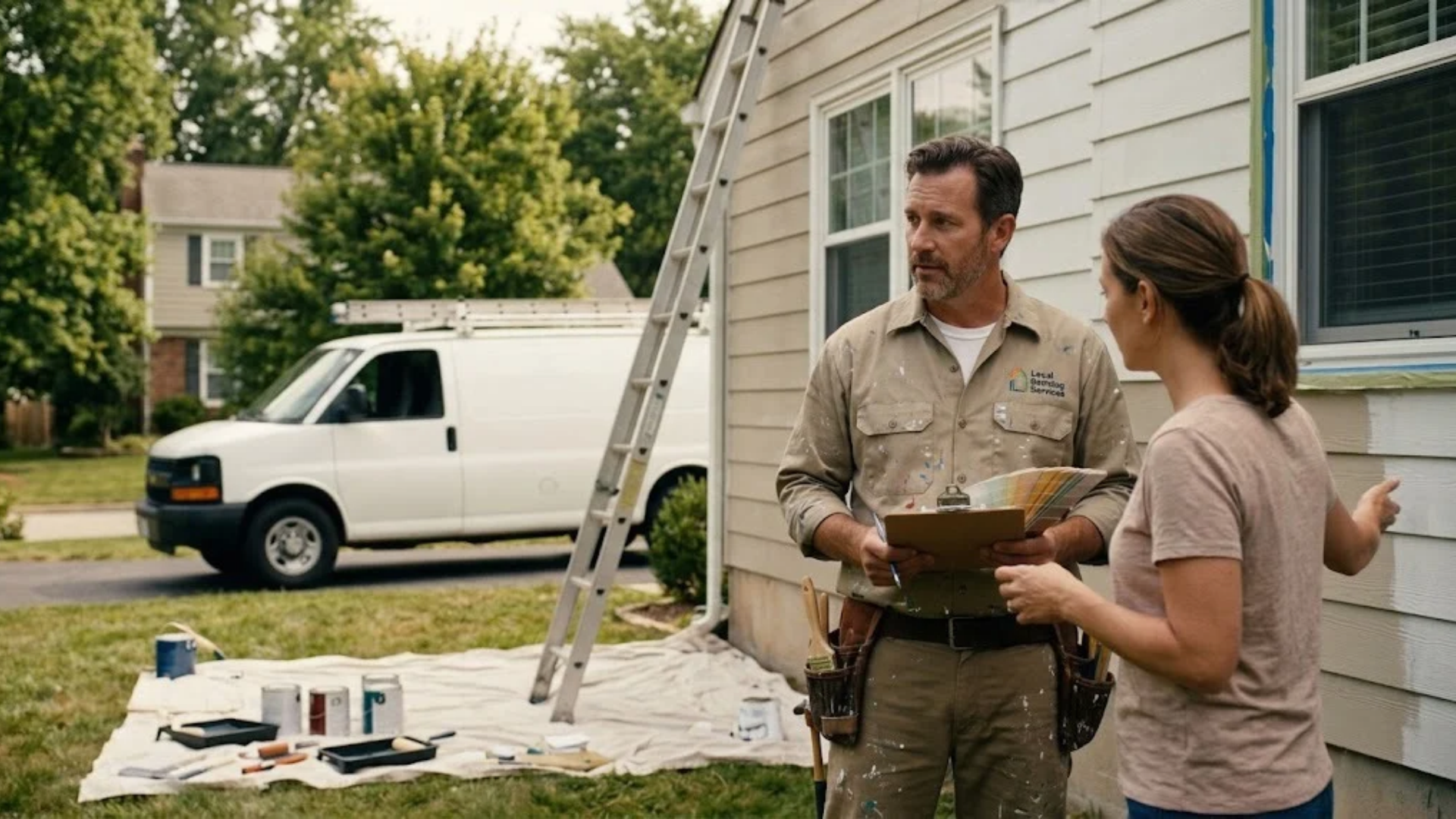
When you receive multiple estimates, the lowest price is not necessarily the best option. Two contractors may quote completely different prices because their scopes of work, materials, preparation methods, or warranties are different. A reliable estimate should clearly explain what you are paying for. Look at the complete scope rather than comparing only the final dollar amount. Pay particular attention to whether the estimate includes surface preparation, primer, number of coats, paint brand or specifications, equipment, repairs, cleanup, project supervision, and warranty coverage. It is also worth asking whether the contractor has experience with similar commercial properties. A company that regularly handles warehouses, offices, retail spaces, or industrial facilities may be better prepared to manage the specific challenges of your project.
How to Reduce Commercial Painting Costs Without Sacrificing Quality
Reducing the cost of a commercial painting project does not necessarily mean selecting the cheapest paint or contractor. Better planning can often provide greater savings without compromising the final result. Start by addressing surface problems early and choosing coatings that match the property’s environment. A durable product may have a higher initial price but could require less frequent maintenance. Scheduling the project efficiently can also reduce downtime and unnecessary labor. Getting several commercial painting estimates in NJ is another useful step. However, make sure you compare contractors based on the complete scope of work, materials, preparation, timeline, and expected quality rather than simply choosing the lowest bid.
Get a Reliable Commercial Painting Estimate in NJ
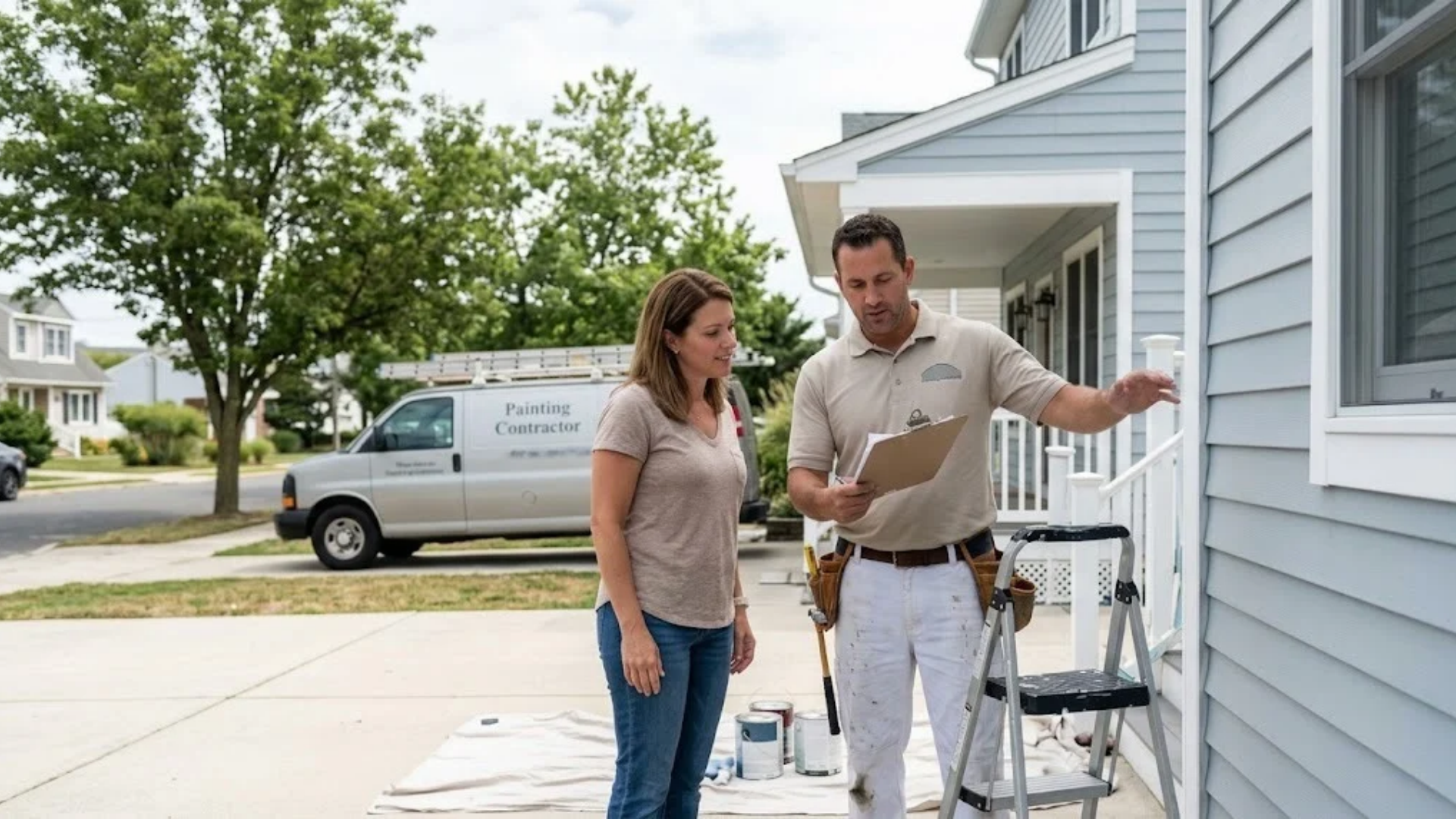
Understanding the factors behind commercial painting costs in NJ makes it easier to plan your project and evaluate contractor proposals. Building size is important, but it is only one part of the equation. Surface preparation, paint quality, labor, accessibility, scheduling, property type, and project complexity can all influence the final price. Rather than relying only on generic online pricing, request a detailed on-site assessment from an experienced commercial painting contractor. A professional estimate will give you a clearer picture of the required work, expected investment, and project timeline.