A commercial property is a major investment, and protecting its value requires more than addressing structural problems when they occur. Regular maintenance, professional repairs, and a well-planned painting schedule can all contribute to long-term property preservation. Commercial painting is particularly important because it improves the appearance of a building while also helping protect interior and exterior surfaces from everyday wear and environmental exposure. A fresh, professionally applied coating can make an older property look well maintained, improve curb appeal, and create a better experience for tenants and visitors. For property owners and managers, commercial painting should therefore be viewed as an important part of ongoing property maintenance rather than simply a cosmetic upgrade.
Why Property Appearance Matters
The appearance of a commercial building can influence how customers, tenants, employees, and potential buyers perceive the property. Faded colors, peeling paint, stains, cracks, and worn surfaces may create the impression that the building has not been properly maintained.
A clean and professionally painted property communicates attention to detail and responsible management. This can be especially important for office buildings, retail stores, restaurants, medical facilities, warehouses, and other commercial spaces where appearance can influence business perception.
A well-maintained appearance can provide several benefits:
- Improved curb appeal
- Stronger professional image
- Better tenant appeal
- More welcoming customer experience
- Reduced appearance of deferred maintenance
- Greater overall marketability
While painting alone does not guarantee an increase in appraised property value, it can contribute to the property’s condition, presentation, and perceived quality.
Commercial Painting Protects Building Surfaces
One of the biggest advantages of professional commercial painting is surface protection. Paint and specialized coatings create a protective layer between building materials and environmental conditions.
Exterior walls may be exposed to sunlight, rain, humidity, temperature fluctuations, dirt, and other elements. Over time, these conditions can cause surfaces to fade, deteriorate, or become more vulnerable to damage. Interior surfaces can also experience heavy foot traffic, frequent cleaning, stains, and general wear.
Using the appropriate commercial coating can help protect surfaces and extend their useful life. Proper preparation is equally important because peeling, cracking, or damaged areas should be addressed before a new coating is applied.
By maintaining protective coatings, property owners can potentially prevent minor surface problems from becoming more extensive and expensive maintenance issues.
Exterior Painting Improves Curb Appeal
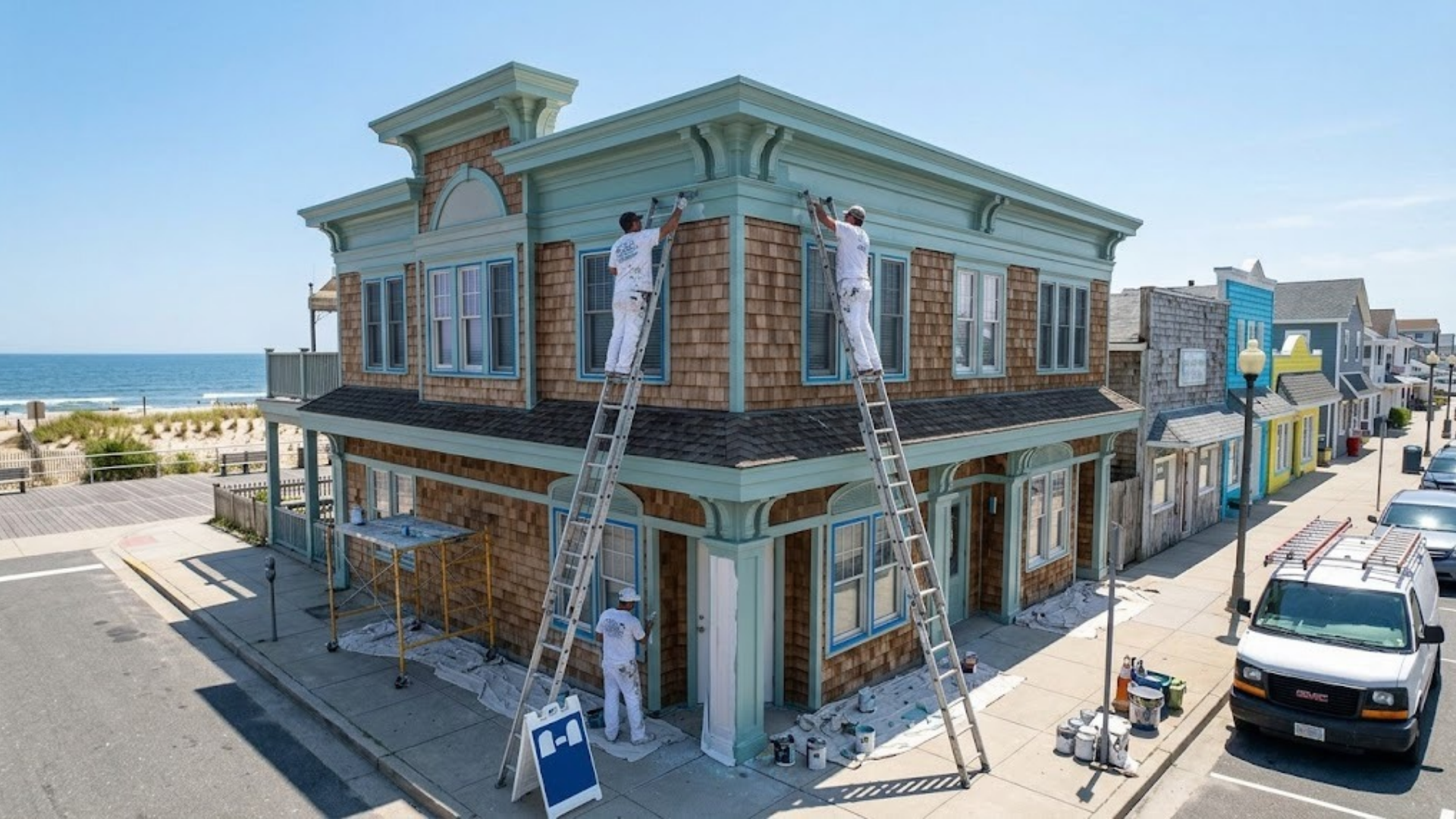
The exterior is often the first part of a commercial property people notice. A faded or outdated exterior can make an otherwise functional building look older than it actually is. Professional exterior painting can provide a relatively straightforward way to refresh the property’s appearance.
A new color scheme can also modernize an older commercial building and help it remain visually competitive. Property owners can choose colors and finishes that complement the building’s architecture while maintaining a professional appearance.
Exterior commercial painting can also help protect surfaces from:
- UV exposure
- Moisture and rain
- Dirt and pollutants
- Temperature changes
- Surface deterioration
- General environmental wear
Choosing durable, weather-resistant coatings and having them professionally applied can provide better long-term results than simply selecting the cheapest available paint.
Interior Painting Can Support Tenant Retention
Property value is also influenced by the property’s ability to attract and retain quality tenants. Interior spaces that look clean, modern, and well maintained can create a more positive environment for businesses and their customers.
Commercial interior painting can refresh offices, hallways, reception areas, retail spaces, common areas, and other high-traffic locations. Neutral and professional color schemes can also make spaces feel more modern and adaptable to different tenants.
For property managers, repainting between tenants can be particularly useful. It gives the space a clean starting point and can make it more appealing to prospective occupants.
Maintaining attractive interiors may also help demonstrate that the property owner takes building maintenance seriously, which can contribute to a better tenant experience.
Commercial Painting Can Reduce Long-Term Maintenance Costs
Painting at the right time can be an important part of preventive property maintenance. Waiting until paint has severely deteriorated can expose underlying materials to additional damage and potentially lead to more expensive repairs.
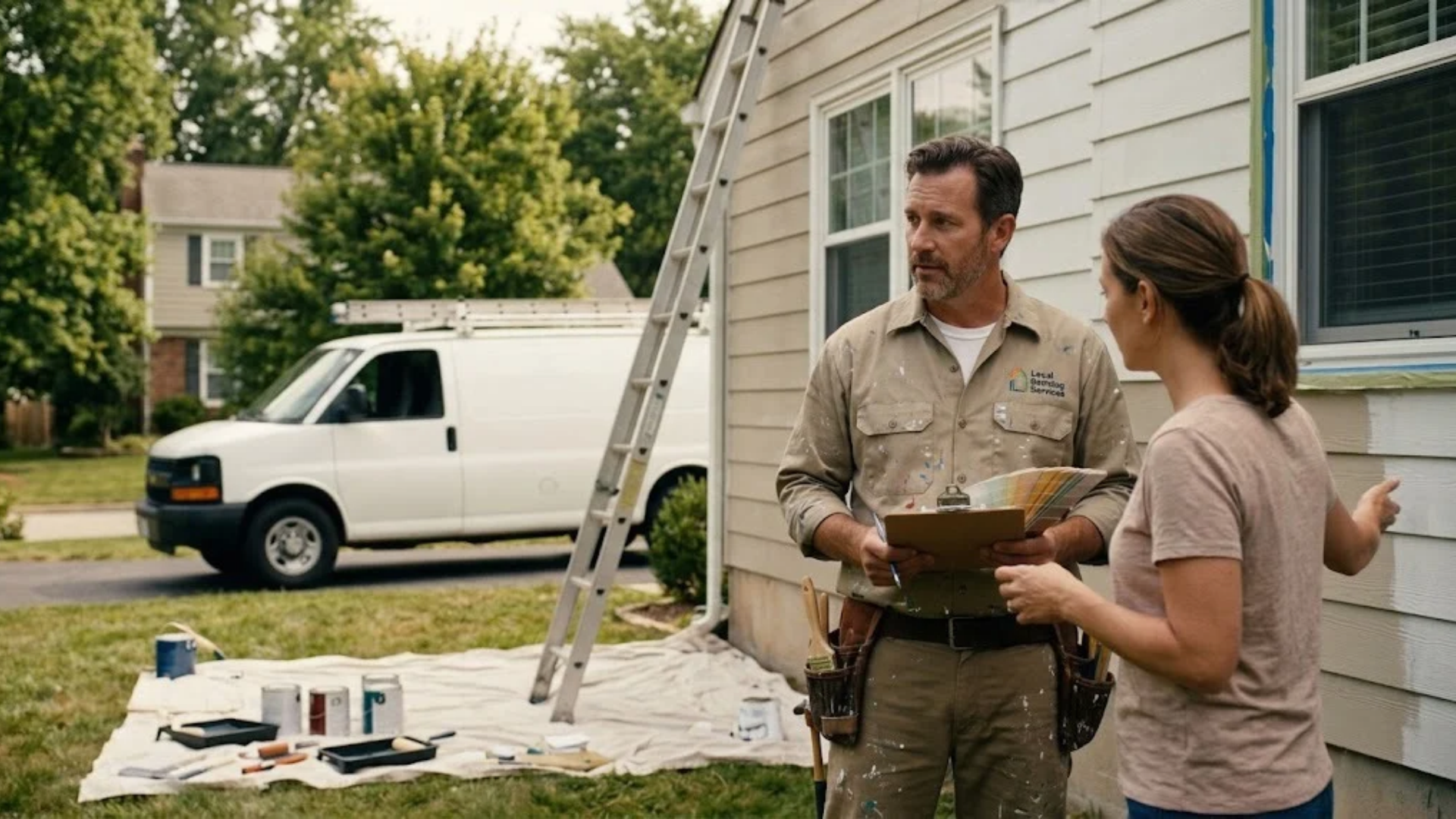
Regular inspections can help property owners identify early warning signs such as fading, cracking, peeling, bubbling, stains, or damaged surfaces. Addressing these issues early can make future maintenance more manageable.
A proactive commercial painting strategy can help:
- Protect exposed surfaces
- Reduce the need for frequent touch-ups
- Extend coating performance
- Identify surface problems early
- Maintain a consistent property appearance
- Support predictable maintenance budgeting
Painting should not replace necessary structural repairs, but it can work alongside other maintenance measures to keep a commercial property in better overall condition.
Understanding the ROI of Commercial Painting
Commercial painting can provide value in several ways, and its return on investment should not be measured only by the potential sale price of a property.
| Commercial Painting Benefit | Potential Property Impact |
|---|---|
| Improved curb appeal | Creates a stronger first impression |
| Surface protection | Helps protect building materials |
| Fresh interior finishes | Improves tenant and visitor experience |
| Preventive maintenance | Can help limit future repair needs |
| Modern colors | Keeps the property visually appealing |
| Durable coatings | May reduce maintenance frequency |
| Professional application | Supports a consistent, quality finish |
A professionally maintained property may also be easier to market when the owner decides to lease, refinance, or sell. Buyers and tenants are generally more likely to appreciate a property that demonstrates consistent care.
Why Professional Commercial Painters Matter
The quality of a painting project depends on more than the paint itself. Proper surface preparation, product selection, application techniques, and project management all influence the final result.
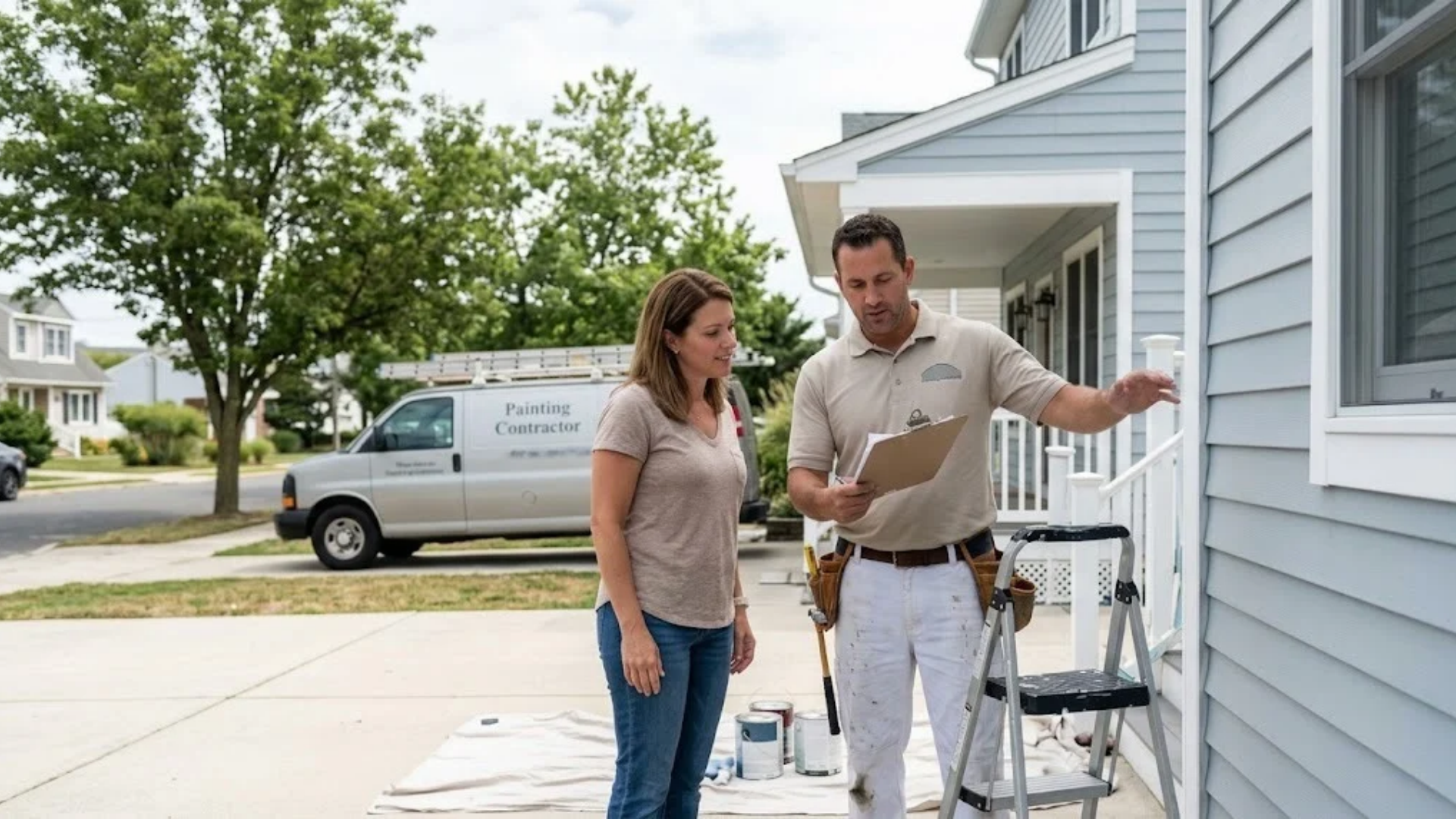
Professional commercial painters can evaluate the condition of different surfaces and recommend appropriate preparation and coating systems. This is especially important for large or occupied properties where painting needs to be completed efficiently while minimizing disruption to normal business operations.
A professional process may include cleaning surfaces, repairing minor imperfections, scraping loose paint, sanding, priming, and applying the appropriate number of finish coats. These steps can improve adhesion, appearance, and durability.
Experienced commercial painters can also help property owners select finishes based on factors such as foot traffic, moisture exposure, cleaning requirements, and exterior weather conditions.
Signs Your Commercial Property Needs Repainting
There is no single repainting schedule that works for every commercial building. The ideal timing depends on the type of property, existing coating, climate, surface condition, traffic, and level of exposure.
Property owners should consider scheduling an inspection when they notice:
- Faded or discolored paint
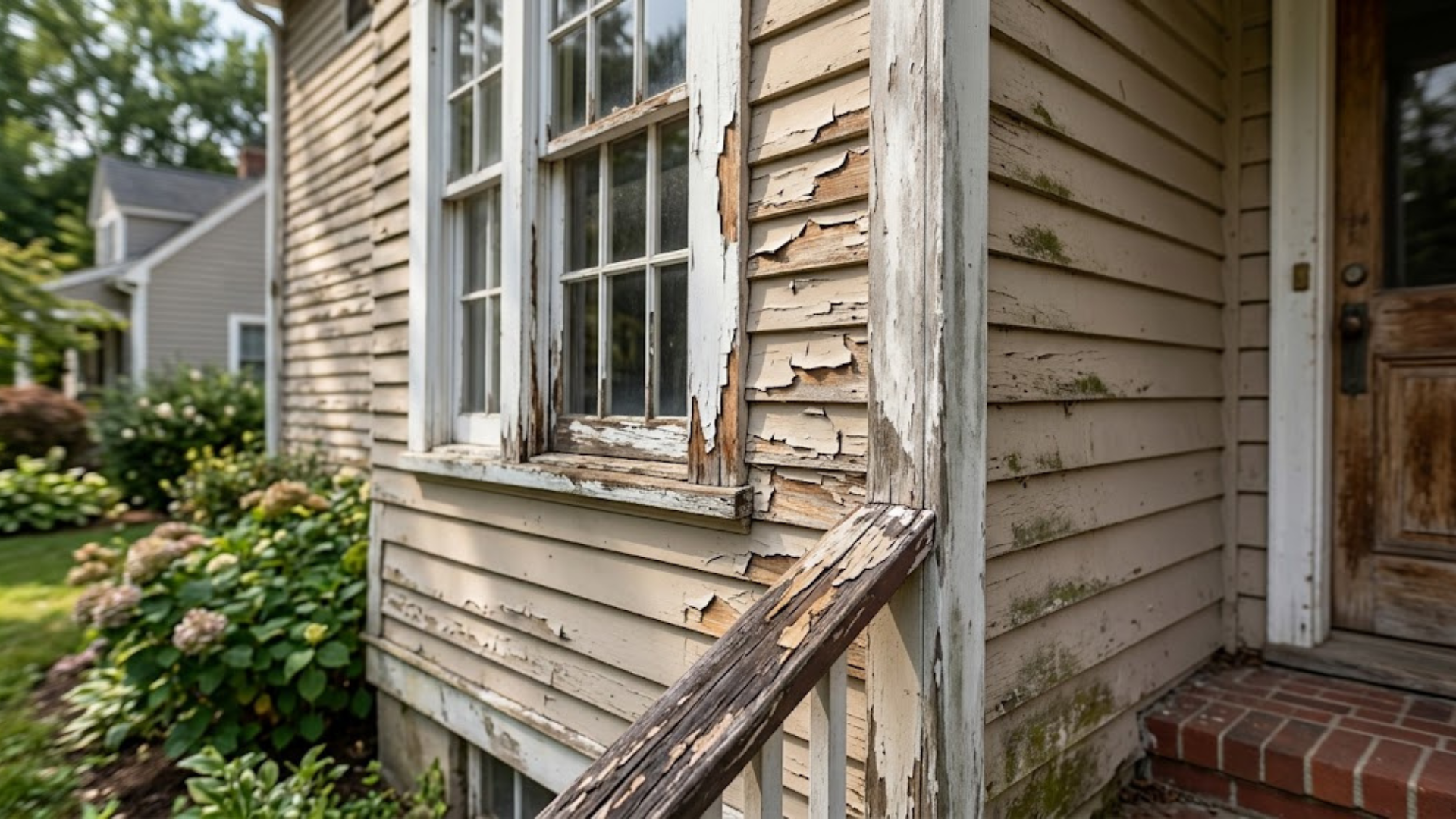
- Peeling or cracking surfaces
- Bubbling or blistering
- Persistent stains
- Worn high-traffic areas
- Outdated colors
- Poor curb appeal
- Increasing maintenance requirements
- Visible deterioration of painted surfaces
Addressing these signs early can help prevent a small maintenance issue from becoming a larger problem.
Make Commercial Painting Part of Your Maintenance Plan
Instead of waiting until a property looks severely worn, owners and managers should incorporate commercial painting into their long-term maintenance plans. Regular inspections can identify areas that need attention and allow projects to be scheduled before deterioration becomes extensive.
A practical approach includes inspecting painted surfaces regularly, prioritizing areas exposed to weather or heavy traffic, selecting durable coatings, and working with qualified commercial painting professionals. Keeping records of previous painting projects can also help property managers plan future maintenance more effectively.
Protect Your Investment With Professional Commercial Painting
Commercial painting is much more than a way to give a building a fresh appearance. When properly planned and professionally completed, it can support curb appeal, protect surfaces, improve tenant experience, and contribute to long-term property maintenance. A well-maintained paint system can also help property owners identify deterioration before it becomes more costly.