If you are planning to refresh your home, one of the first questions you may have is, “How much does it cost to hire professional house painters in NJ?” The answer depends on several factors, including the size of your home, whether you need interior or exterior painting, the condition of the surfaces, paint quality, and the amount of preparation required. In New Jersey, homeowners can expect professional residential painting projects to cost anywhere from a few hundred dollars for a single room to several thousand dollars for a complete interior or exterior project. Understanding what influences painting prices can help you create a realistic budget and choose a contractor based on value rather than simply selecting the lowest estimate.
Average House Painting Cost in New Jersey
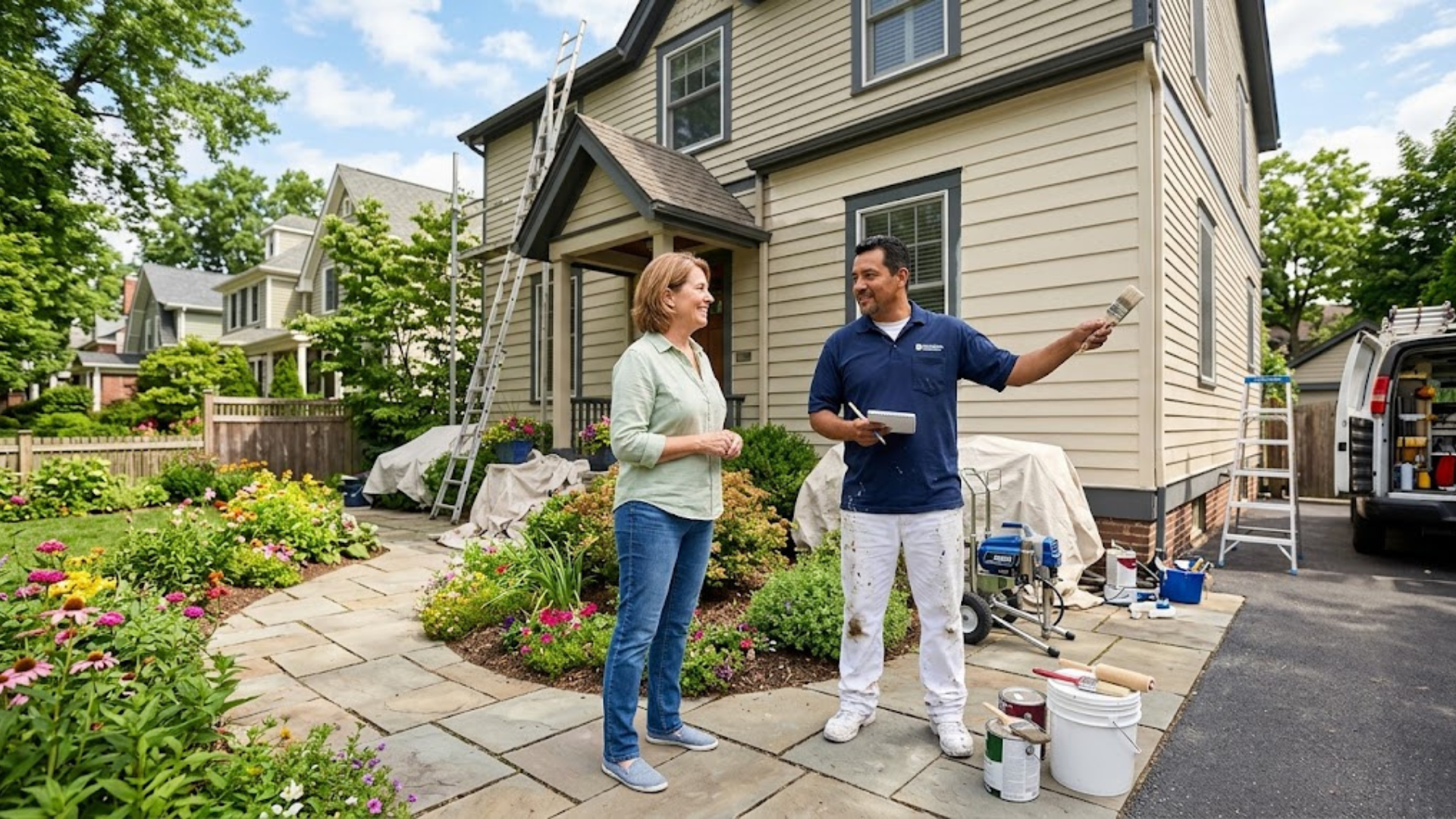
There is no single price that applies to every New Jersey home. Professional painters typically evaluate the property and project scope before providing a final estimate.
Here is a general cost guide for common residential painting projects:
| Painting Project | Approximate Cost Range |
|---|---|
| Single interior room | $300–$1,200 |
| Full interior painting | $3,500–$12,000+ |
| Exterior house painting | $4,000–$18,000+ |
| Cabinet painting/refinishing | $3,500–$9,000 |
| Deck or fence staining | $800–$3,500 |
These figures are general planning ranges, not fixed prices. A professional house painting company will consider the property’s size, surface condition, accessibility, materials, and preparation requirements before determining the actual cost.
What Factors Affect the Cost of House Painting in NJ?
Several details can cause the cost of a painting project to increase or decrease. Two homes with similar square footage may still receive very different estimates.
The most important factors include:
- Size of the home and number of rooms
- Interior or exterior painting requirements
- Condition of walls, siding, or trim
- Amount of surface preparation
- Number of coats required
- Type and quality of paint
- Ceilings, doors, and detailed trim
- Number of stories
- Accessibility of difficult areas
- Furniture and property protection
- Minor repairs needed before painting
For example, a home with peeling paint, cracks, damaged wood, or uneven surfaces will generally require more preparation than a property with clean, well-maintained surfaces. Since preparation requires additional labor and materials, it can have a noticeable impact on the final estimate.
Interior vs. Exterior House Painting Costs
Interior Painting
Interior painting costs depend on the number of rooms, wall height, surface condition, and whether ceilings, doors, and trim are included. Homes with furniture that needs extensive protection or walls requiring considerable patching and sanding may also cost more. A homeowner may choose to paint only selected rooms, such as bedrooms or living areas, or complete the entire interior at once. Larger projects can sometimes provide better overall value because the painter can complete multiple areas during the same visit.
Exterior Painting
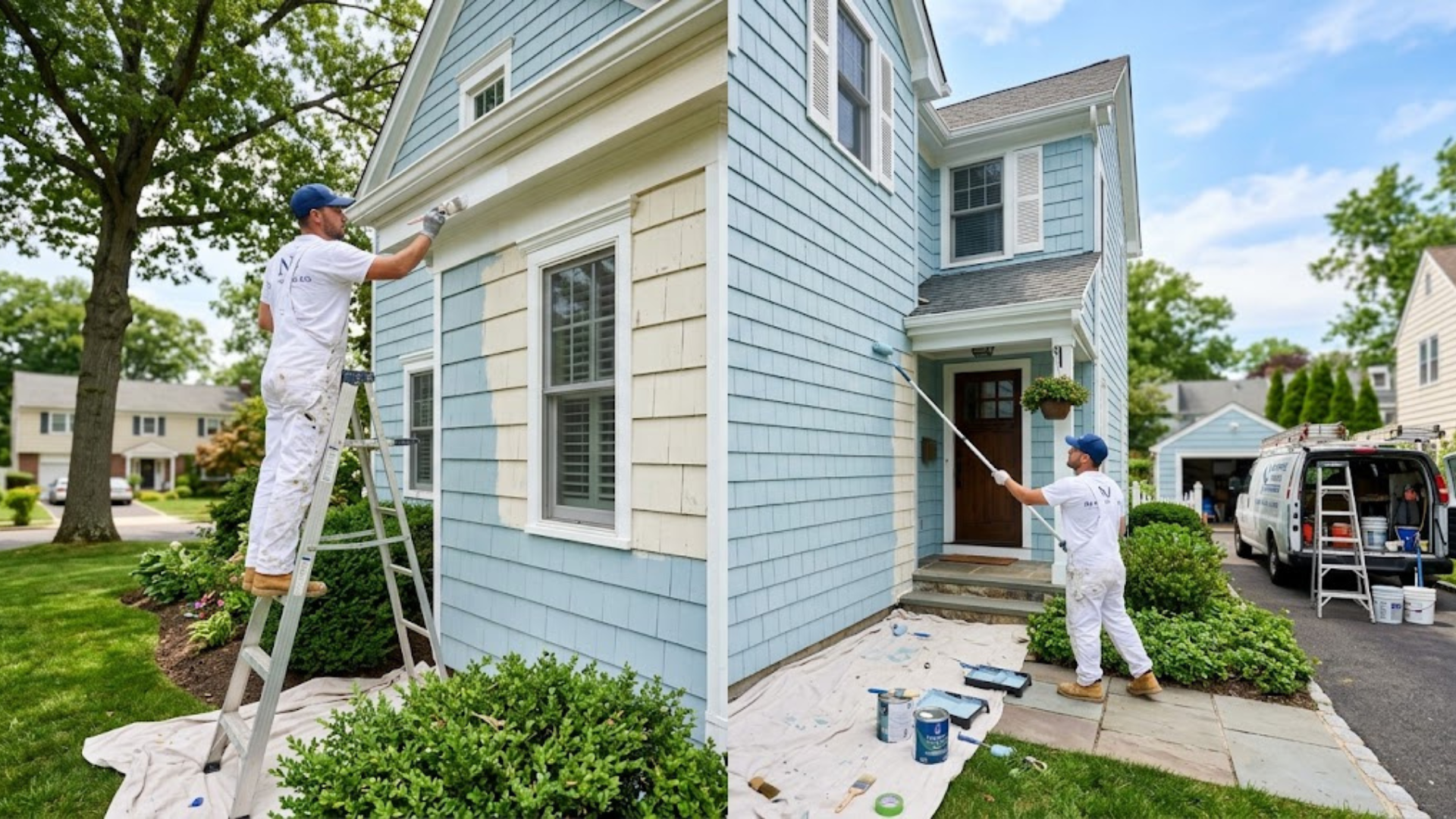
Exterior house painting is often more involved. Professional painters may need to wash surfaces, scrape loose paint, sand rough areas, prime exposed surfaces, caulk gaps, and perform minor repairs before applying new paint. The height and design of the property also matter. Multi-story homes, difficult-to-access areas, intricate trim, and extensive preparation can increase labor requirements. Weather conditions and the type of exterior material, such as wood siding, vinyl, stucco, or fiber cement, can also influence the project.
How Much Does Paint Quality Affect the Price?
Paint is another important part of your overall budget. Homeowners can choose from different product grades, finishes, and formulations, and higher-quality products generally cost more upfront. Premium paint may offer better coverage, durability, and resistance to everyday wear. Exterior products may also be formulated to handle moisture, sunlight, and changing New Jersey weather conditions. The finish you select can affect both appearance and maintenance. For example, different sheens may be appropriate for walls, ceilings, kitchens, bathrooms, doors, and trim. Rather than automatically choosing the cheapest product, ask your painter which paint is appropriate for your specific surfaces and how many coats will be needed.
Does Surface Preparation Increase House Painting Prices?
Yes. Preparation is one of the most important parts of professional painting, yet it is often overlooked when homeowners compare estimates. Before painting begins, contractors may need to clean the surface, remove loose paint, sand rough areas, fill holes, repair cracks, caulk gaps, and prime bare sections. Exterior projects may require additional washing and scraping. Poor preparation can affect the final appearance and may cause new paint to peel or fail prematurely. Therefore, an estimate that includes thorough preparation may be higher than a quote that involves minimal surface work. When comparing house painters in NJ, ask exactly what preparation is included in the price.
Why Hire Professional House Painters Instead of Doing It Yourself?
DIY painting can appear less expensive because you are not paying professional labor. However, homeowners also need to account for brushes, rollers, ladders, drop cloths, preparation materials, primer, paint, and time. Professional house painters bring experience, equipment, preparation techniques, and efficient application methods to the project. They can also protect floors and furnishings, maintain cleaner edges, address surface problems, and complete larger projects more efficiently. For extensive interior or exterior work, professional services can provide convenience and a more consistent finished appearance while reducing the amount of time homeowners need to spend on the project.
How Location Can Affect Painting Costs in NJ
Painting prices can vary throughout New Jersey because labor rates, housing styles, property sizes, and local demand differ from one area to another. Older homes may require additional preparation because of aging surfaces, previous paint layers, or minor repairs. Coastal properties may also require specialized exterior preparation because of exposure to moisture, wind, and salt air. For this reason, online cost ranges are useful for budgeting, but an on-site assessment provides a much more accurate estimate.
What Should Be Included in a Professional Painting Estimate?
Before hiring a contractor, review the estimate carefully. A professional quote should clearly explain what you are paying for.
Look for:
- Labor and material costs
- Paint brand and product
- Number of coats
- Preparation work
- Primer requirements
- Surfaces included in the project
- Trim, doors, and ceilings
- Minor repairs and exclusions
- Cleanup
- Expected timeline
- Warranty information, if offered
Do not compare estimates based only on the final price. One contractor may include extensive preparation and multiple coats, while another may provide a lower quote with fewer services.
How to Save Money When Hiring Professional Painters in NJ
You do not necessarily have to compromise quality to control your painting budget. Start by requesting several detailed estimates and comparing the scope of work. You can also save money by painting multiple rooms during one project, selecting durable colors that you are unlikely to change soon, and addressing minor maintenance issues before they become larger repairs. Ask contractors whether they offer project-based pricing or seasonal promotions. Most importantly, avoid selecting a painter simply because they provide the cheapest quote. Extremely low bids may leave out important preparation, materials, or services.