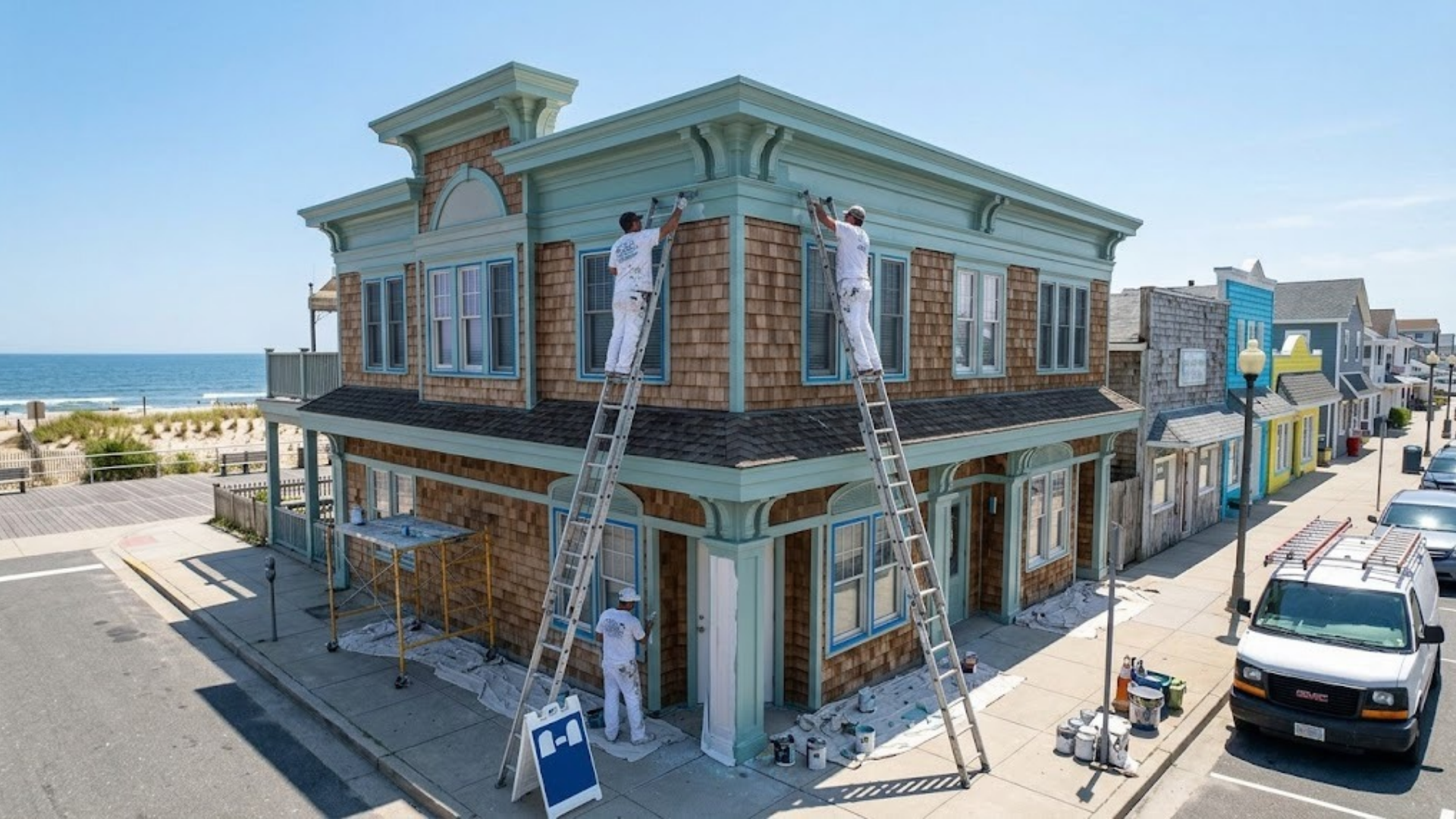
Maintaining a home along the Jersey Shore is a rewarding experience, but the local environment introduces unique challenges. From the barrier island properties in Beach Haven and Seaside Heights to historic homes in Toms River and sprawling suburban neighborhoods in Brick, residential exteriors and interiors take a beating. Between airborne salt, heavy summer humidity, and freeze-thaw cycles in winter, paint acts as a vital protective shield rather than a simple cosmetic choice.
Selecting the right residential painting contractor in Ocean County requires balancing trade expertise, local weather knowledge, and rigorous verification of credentials. Here is a comprehensive guide to vetting, evaluating, and hiring the right professional for your property.
Why Ocean County’s Coastal Climate Demands Specialized Painters
A paint job that lasts eight years inland might fail in two or three along the coast if applied incorrectly. The marine microclimates across Ocean County present three continuous challenges:
-
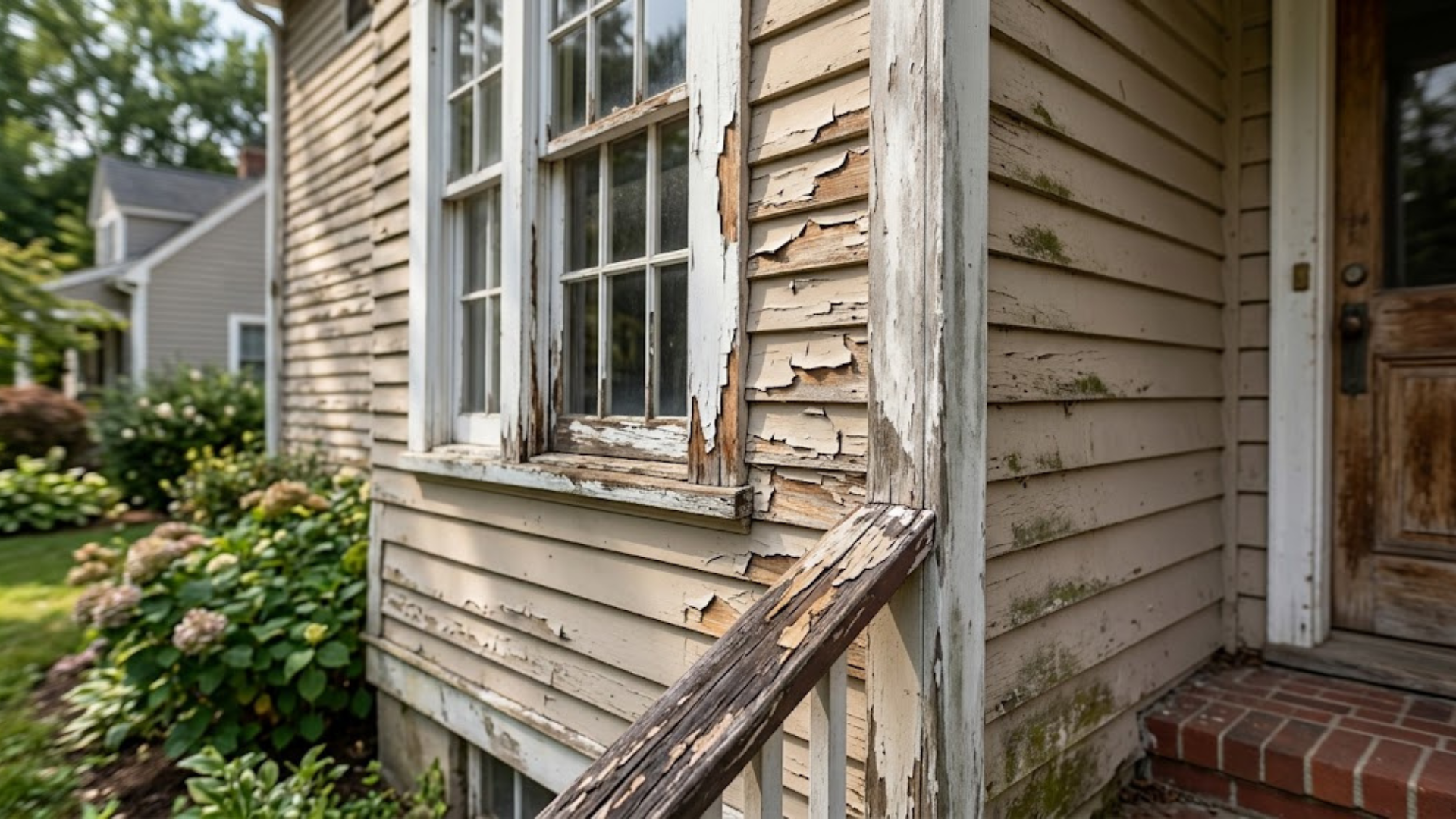
Airborne Salt Deposits: Coastal winds carry microscopic salt particles that settle on siding, trim, and soffits. Salt breaks down paint binders, causing premature chalking, blistering, and peeling if not washed off thoroughly before recoating.
-
Intense UV Exposure: Sunlight reflects heavily off the Atlantic Ocean, Barnegat Bay, and sandy soils, doubling UV radiation exposure and accelerating paint fade on southern- and western-facing walls.
-
Persistent Humidity & Mildew: Ocean County’s summers provide prime conditions for mildew, black mold, and algae growth, especially on shaded vinyl, cedar shakes, and composite trim.
-
Wind-Driven Rain: Coastal storms and Nor’easters drive moisture deep into gaps, unsealed joints, and failing caulking, leading to rot and substrate decay beneath the surface.
A general painter unfamiliar with coastal conditions may apply standard paint directly over compromised surfaces. A local specialist knows to select flexible acrylic formulas with high mildewcide content and to seal every joint against moisture intrusion.
Critical Licensing and Insurance Requirements in New Jersey
New Jersey law protects homeowners through strict contractor regulations, but the burden of verification still falls on you. Never assume a contractor is legitimate simply because they have a marked van or an online presence.
-
NJ Home Improvement Contractor (HIC) Registration: All residential painting contractors must be registered with the New Jersey Division of Consumer Affairs. Their registration number starts with “13VH” and must appear on their contracts, business vehicles, and marketing materials.
-
General Liability Insurance: This policy covers structural or property damage occurring during the project. Request a Certificate of Insurance (COI) sent directly from the contractor’s insurance broker showing at least $1,000,000 in coverage.
-
Workers’ Compensation Insurance: If an uninsured painter falls from an extension ladder while painting your second-story dormer, you could be held liable for their medical expenses and lost wages. Confirm their policy explicitly covers full-time employees or subcontractors.
-
EPA Lead-Safe Certification: Under federal law, if your home was built before 1978, the contractor must be certified in Lead-Safe Work Practices to prevent hazardous lead dust contamination during sanding and scraping.
Surface Preparation vs. Finish Quality: What Separates the Pros
Ninety percent of a paint job’s lifespan is determined before a single brush touches the wall. When evaluating contractors, pay close attention to how they describe their prep work.
Exterior Prep for Salt, Mildew, and Peeling Paint
True coastal preparation begins with a low-pressure chemical wash using specialized detergents to eliminate salt crust and neutralize mold spores. Standard pressure washing without treatment merely pushes moisture into the wood. Once dry, contractors must scrape all loose, peeling, and flaking layers back to sound substrate, followed by feather-sanding the edges to prevent visible ridge lines. Bare wood requires immediate spot-priming with slow-drying, exterior-grade primers to block tannins and lock out humidity before the finish coats go on.
Interior Prep: Drywall Repair and Surface Protection
Inside the home, surface prep shifts focus to seamless finishes and dust containment. Top contractors mask floors, furniture, and fixtures with heavy-duty drop cloths and plastic sheeting before beginning. They address nail pops, repair settled drywall tape, patch dents, and apply clean, flexible acrylic caulk along all baseboards, door casings, and crown molding to ensure crisp, gap-free lines.
Comparing Contractor Quotes: Apples-to-Apples Evaluation
Low bids are often appealing, but in coastal painting, a significantly low price usually signals skipped prep steps, diluted paint, or uninsured workers.
| Evaluation Factor | Budget Operators | Standard Contractors | Coastal Painting Specialists |
| Surface Prep | Minimal scraping, power wash only | Hand scraping, light sanding, spot caulking | Full decontamination wash, orbital sanding, complete seam recaulking |
| Materials Used | Contractor-grade flat or latex paint | Standard residential paint lines | Premium 100% acrylic latex with advanced mildewcides and UV blockers |
| Labor Model | Casual, untracked temporary help | General full-time painting crews | Experienced, background-checked tradespeople |
| Warranty | Verbal only, or 30 days | 1 to 2-year workmanship warranty | 3 to 5-year written comprehensive warranty on prep and finish |
| Legal Compliance | Often unregistered or missing workers’ comp | Registered NJ HIC with basic liability | NJ HIC licensed, fully insured (GL + WC), EPA Lead-Safe certified |
Essential Questions Every Ocean County Homeowner Must Ask
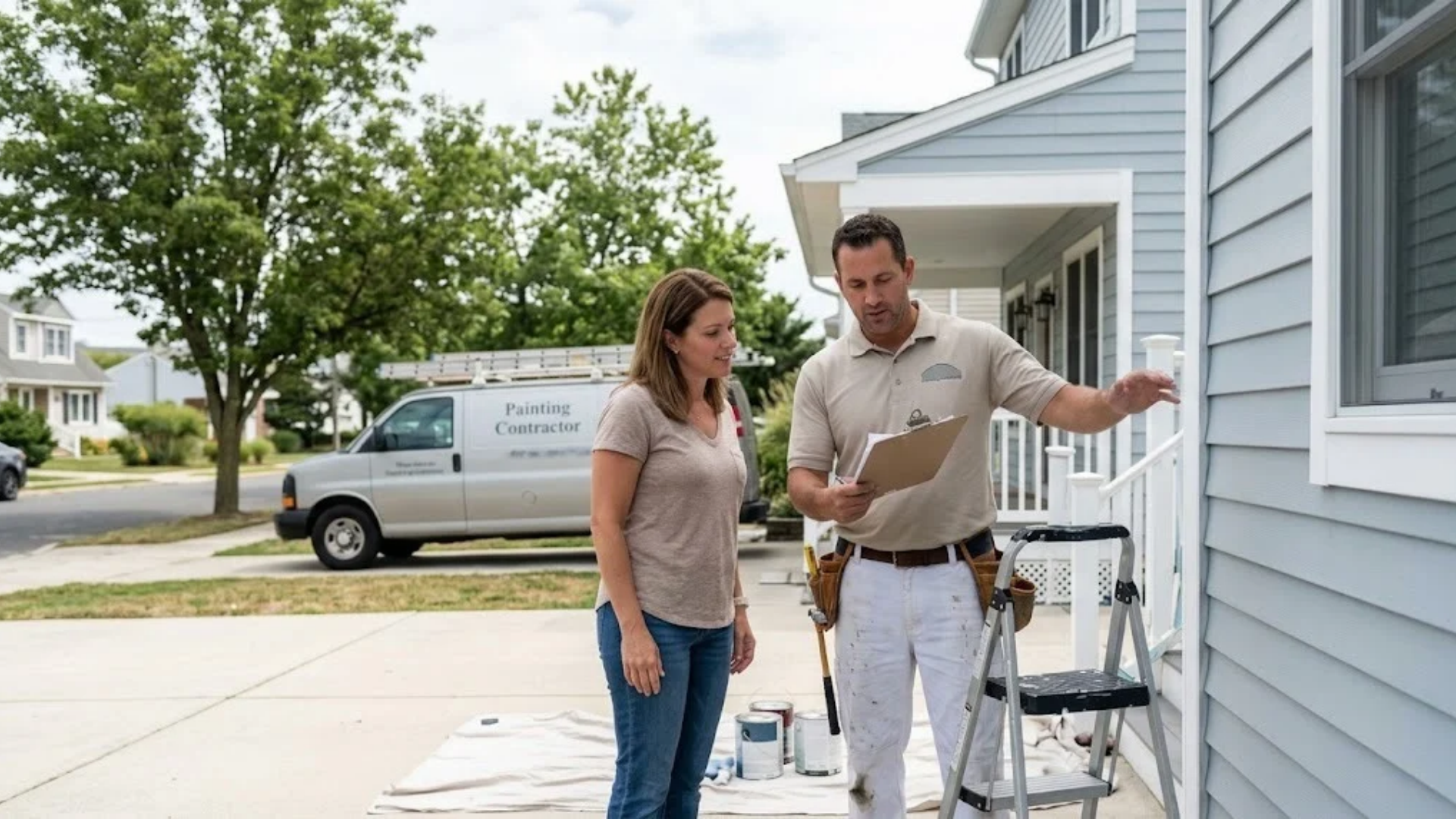
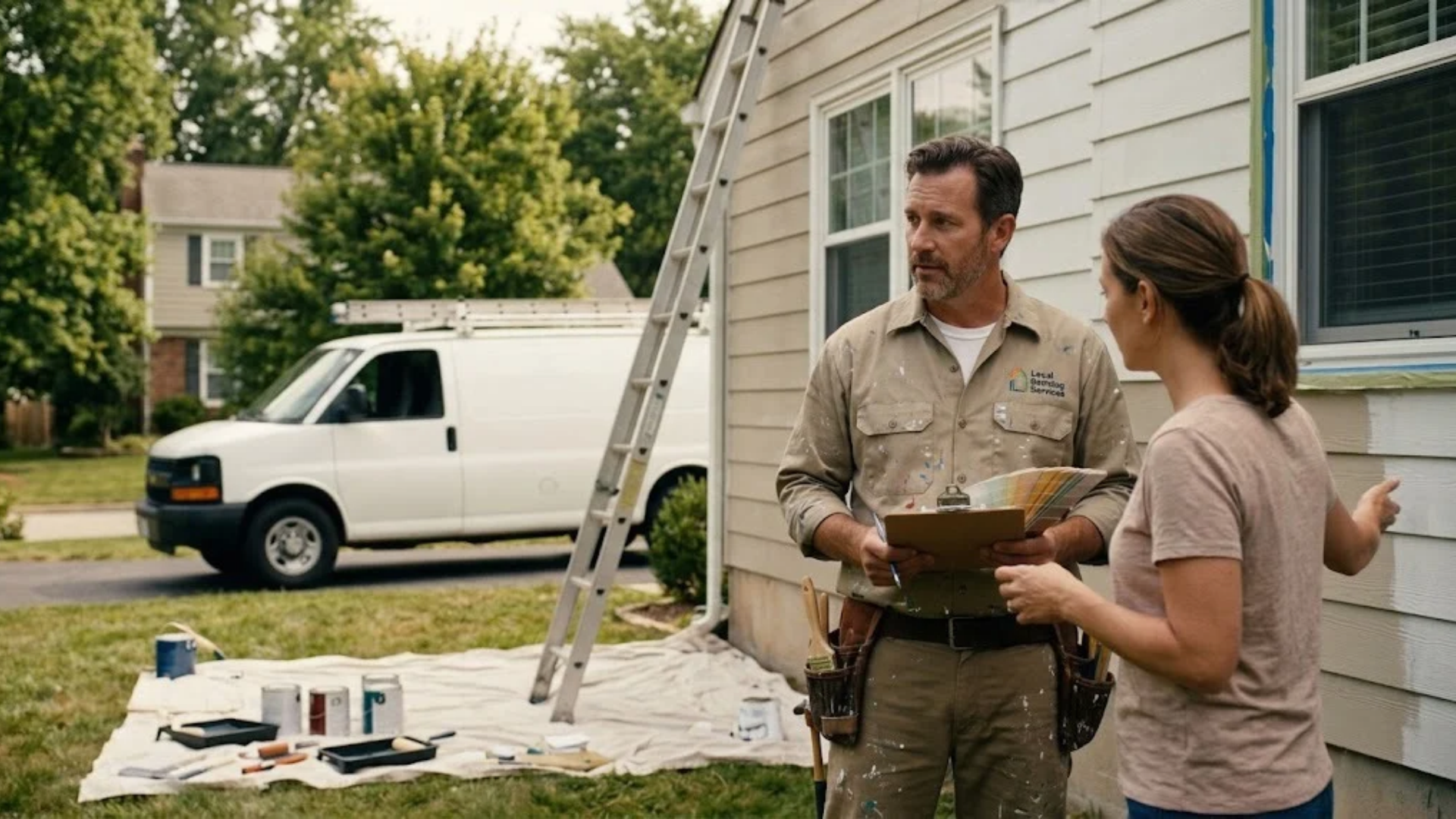
Before signing an agreement, conduct a direct walkthrough with the prospective contractor and ask these six questions:
-
Can your insurance agency send me a current Certificate of Insurance listing my address as certificate holder?
-
Will the work be performed by your own employees or will it be subbed out to another crew?
-
Which exact product lines from Benjamin Moore or Sherwin-Williams do you specify for this exterior, and how many coats are included?
-
How long will you allow surfaces to dry after power washing before applying primer?
-
What is your daily cleanup routine, and how do you handle outdoor plants, air conditioning units, and exterior lights?
-
Can you provide three references for homes you painted in Ocean County within the last 18 months?
Range of Services: Matching Your Project Scope
Different projects call for specific equipment and expertise. Make sure the contractor you choose excels in your specific focus area.
Interior Painting and Cabinet Refinishing
Refreshing coastal interiors often involves updating living rooms, high-humidity bathrooms, and kitchens exposed to moisture. Many contractors now offer professional cabinet spray finishes using self-leveling urethane paints. This process transforms dated oak or maple cabinets into smooth, modern focal points at a fraction of the cost of replacement.
Exterior Siding, Decks, and Architectural Trim
Exterior painters must know how to handle Cedar Impressions, natural cedar shakes, fiber cement, and PVC composite trim like AZEK. Decks require stripping old stains down to bare wood followed by penetrating oil or acrylic stains designed to resist foot traffic and salt water spray.
Warning Signs: Red Flags to Avoid When Hiring
Keep an eye out for these warning signs during the vetting process:
-
Demanding more than a 20% to 30% deposit prior to material delivery and start of work.
-
Delivering vague, handwritten, or one-sentence estimates that do not specify paint brands, prep procedures, or coat counts.
-
Reluctance or delays in providing proof of active NJ HIC registration.
-
Lack of physical business presence, authentic local reviews, or verifiable references across Ocean County.
-
Claims that priming is unnecessary because they use an “all-in-one paint and primer” product over raw, weathered coastal surfaces.
Making the Final Decision
Protecting your Ocean County home requires viewing painting as preventative maintenance, not just an aesthetic update. A low bid that fails after two summers costs far more in remedial scraping and repairs than hiring a qualified professional from the start.
Focus on clear written proposals, verify New Jersey state licensing and workers’ compensation coverage, and choose a team that understands the demands of the coastal environment. By taking the time to vet contractors methodically, you will ensure a durable, beautiful finish that shields your home for years to come.
Other Related Post:
Exterior Commercial Painting Near Me: Why Choosing the Right Contractor Matters
Ocean County Commercial Painting Contractor: Red Flags to Watch Out For
Best Residential Painters in Ocean County: How to Choose the Right One