Hiring the wrong painter costs you time, money, and peace of mind. A rushed paint job peels within months and ruins your home’s curb appeal. However, asking the right questions helps you vet every painting contractor before work begins. Use this guide to compare bids, protect your property, and secure lasting results.
Are You Fully Licensed, Insured, and Bonded?
First, verify that your prospective painter holds active state licenses and comprehensive insurance. General liability insurance covers accidental damage to your home, roof, or vehicles. Meanwhile, workers’ compensation protects you if a crew member suffers an injury on your property.
Furthermore, a surety bond guarantees that the company will finish your project according to contract terms. Never accept a simple verbal promise from a salesperson. Instead, ask the residential painting contractor to email physical copies of their insurance certificates directly from their provider.
Will You Use In-House Employees or Subcontractors?
Next, ask who will actually hold the brushes inside your home. Crew structure directly affects communication, accountability, and final finish quality. Consider these crucial differences before you sign:
-
Quality Control: In-house employees follow strict company training and consistent application standards. Conversely, unvetted subcontractors often rush jobs to move onto their next project quickly.
-
On-Site Supervision: Ask if a dedicated crew lead stays on your property throughout the entire project. Clear leadership ensures questions get immediate answers.
-
Background Checks: Confirm that the company screens every worker entering your living space. You deserve complete peace of mind while crews work around your family.
What Does Your Surface Preparation Process Include?
Experts agree that proper prep accounts for eighty percent of a durable paint job. Even the most expensive paint fails if crews apply it over dirt, grease, or flaking layers. Therefore, demand a clear breakdown of their preparation routine.
Interior Surface Preparation Steps
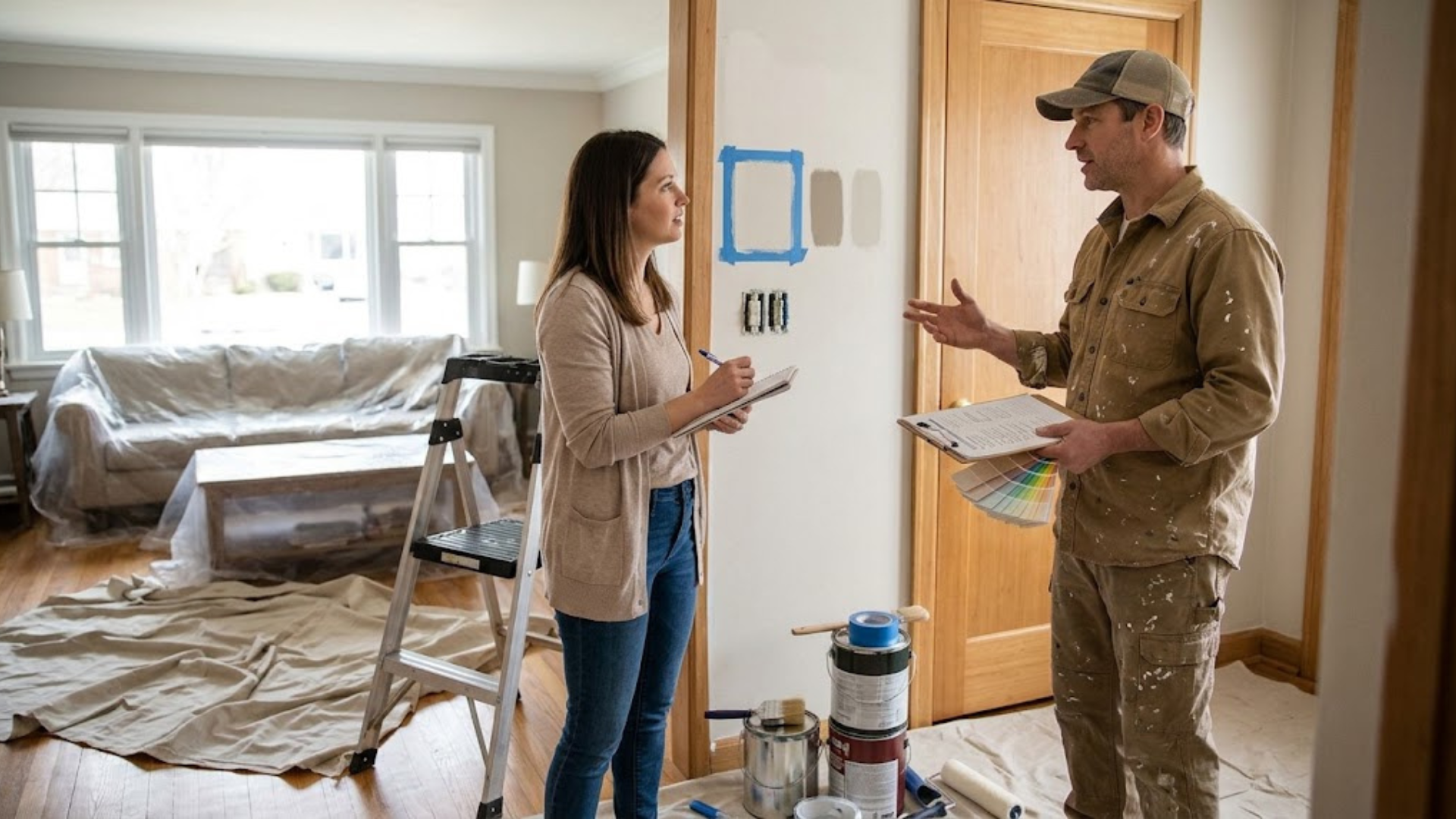
Inside your home, crews must create a smooth, clean canvas before opening a paint can. First, they should patch drywall holes, nail pops, and hairline cracks. Next, technicians sand rough spots and wipe away fine dust. Finally, they caulk gaps along baseboards and apply stain-blocking primer where needed.
Exterior Surface Preparation Steps
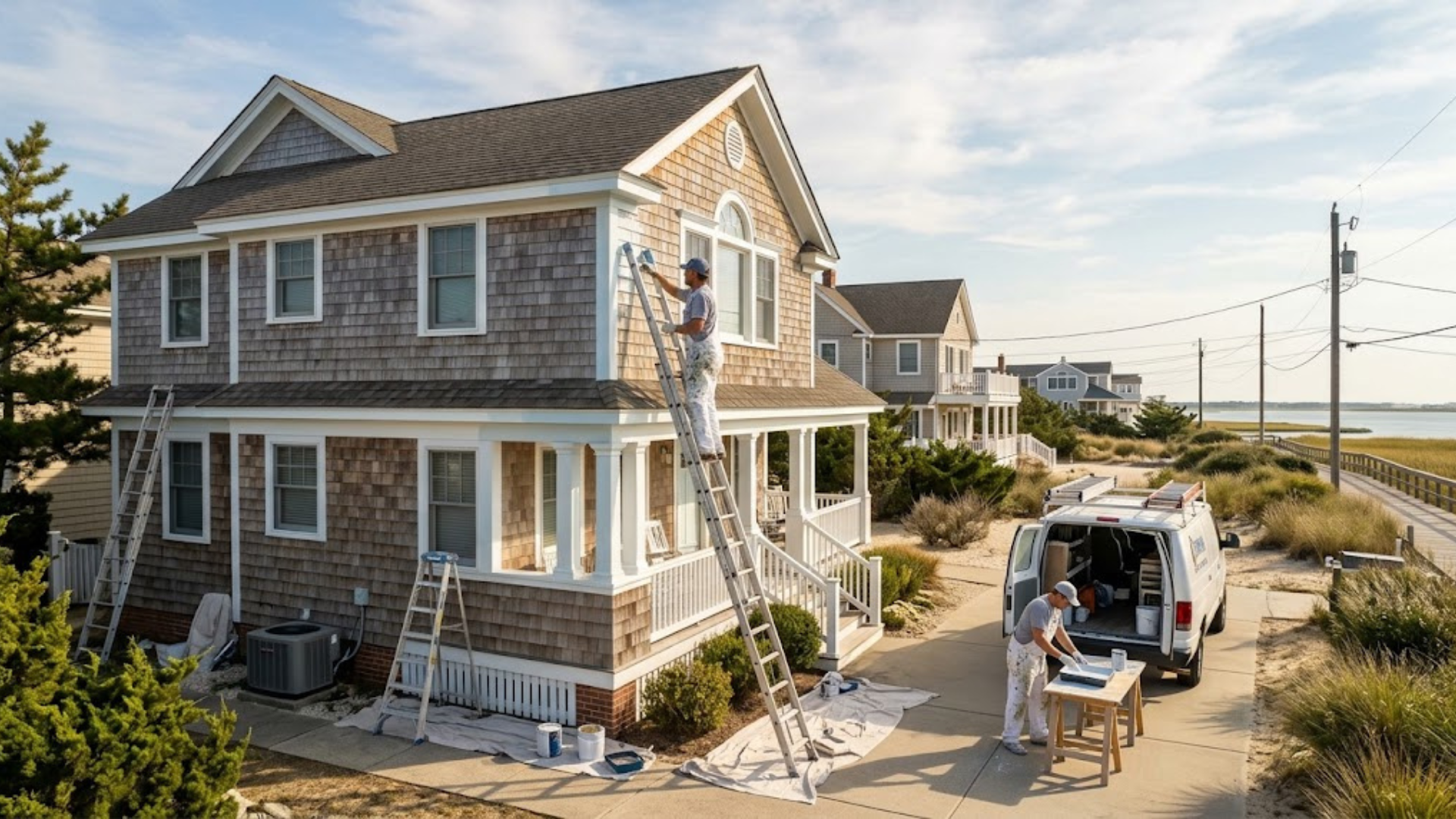
Outside surfaces face harsh sun, rain, and freezing temperatures every year. Consequently, exterior prep requires aggressive cleaning and repairs:
-
Power Washing: Crews wash away dirt, chalking paint, and mildew from siding and trim.
-
Scraping and Sanding: Painters remove all loose, blistering, or peeling paint down to a sound surface.
-
Wood Repair: Technicians replace rotted fascia boards and seal open joints with exterior-grade caulk.
-
Lead Safety: For homes built before 1978, EPA-certified contractors use strict containment rules to prevent toxic dust exposure.
Which Paint Brands, Product Lines, and Finishes Do You Recommend?
Vague proposals often promise “two coats of quality paint” without naming specific products. However, major manufacturers like Sherwin-Williams and Benjamin Moore sell both contractor-grade and premium lines. Always insist that your painting contractor lists exact product names and finishes in writing.
| Room or Surface Type | Recommended Sheen | Key Benefit | Best Use Case |
| Ceilings & Low-Traffic Walls | Flat / Matte | Hides minor drywall flaws | Bedrooms, formal dining rooms |
| Main Living Areas | Eggshell | Resists scuffs and wipes clean | Living rooms, hallways, foyers |
| Kitchens & Bathrooms | Satin / Semi-Gloss | Repels moisture and mildew | High-humidity rooms, trim, doors |
| Exterior Siding | Low-Luster / Satin | Fights UV fading and dirt buildup | Wood, vinyl, or fiber cement siding |
How Will You Protect My Furniture, Floors, and Landscaping?
Professional painters respect your home as much as you do. Before prep starts, crews must shield your belongings from dust, drips, and overspray. Look for these essential job-site protection habits:
-
Indoor Protection: Crews lay heavy canvas drop cloths over hardwood floors and carpets. Additionally, they wrap furniture in clean plastic sheeting and tape off hardware.
-
Outdoor Protection: Painters cover shrubs, flowerbeds, and patios with breathable drop cloths. Moreover, they sweep driveways with magnets daily to collect stray nails or staples.
-
Daily Cleanup: At the end of each shift, workers vacuum dust, organize ladders, and clear all walkways.
Can You Provide a Written, Itemized House Painting Estimate?
Never hire a painter who scribbles a single lump-sum price on a business card. Instead, request a detailed, itemized house painting estimate from every finalist. A transparent quote breaks down labor costs, paint brands, primer types, and total gallon counts.
Furthermore, the written contract must state the exact number of coats for every surface. It should also outline a clear payment schedule and explain how change orders work. Ultimately, clear paperwork prevents surprise fees when the project wraps up.
What Kind of Written Warranty and Post-Job Inspection Do You Offer?
Finally, ask how the company stands behind its work after you pay the final invoice. Understanding warranty terms and inspection steps protects your investment for years.
Workmanship Guarantee vs. Paint Manufacturer Warranty
Many homeowners confuse paint warranties with contractor guarantees. Paint manufacturers only replace defective cans of paint, and they rarely cover labor costs. In contrast, a reputable residential painting contractor provides a written workmanship warranty lasting two to five years. This guarantee covers peeling, blistering, or flaking caused by improper prep or application.
The Final Walk-Through Inspection
Before making your final payment, walk through the entire property with the project manager. Inspect walls, ceilings, and trim under bright natural daylight. Mark any missed spots or uneven edges with blue painter’s tape. A true professional fixes every detail immediately until you feel completely satisfied.
Red Flags to Watch Out for When Hiring a Painter
Even when contractors answer your questions well, stay alert for warning signs during the bidding process. Walk away immediately if you notice these behaviors:
-
Massive Upfront Deposits: Legitimate companies rarely ask for more than ten to thirty percent down. Never pay fifty percent or more before materials arrive.
-
Suspiciously Low Bids: If one quote sits forty percent below competitors, that painter likely skips prep work or lacks insurance.
-
High-Pressure Tactics: Honest contractors give you time to compare bids without pushing “today-only” discounts.
-
Missing Local Proof: Avoid companies without a physical business address, local references, or recent project photos.
FAQS About Hiring a Painting Contractor
How many quotes should I get before hiring a house painter?
Gather at least three written estimates from licensed local companies. Comparing multiple bids helps you spot differences in prep steps, paint quality, and warranty coverage rather than choosing solely on price.
What is a normal deposit for a residential painting project?
Most established painting companies require a deposit between ten and thirty percent to reserve your spot on their schedule. You should pay the remaining balance only after completing your final walk-through.
Should I move my furniture before the painters arrive?
Remove fragile decor, artwork, electronics, and valuables from the room before work starts. Typically, painting crews move heavy sofas and tables to the center of the room and cover them securely.
Ready to Start Your Next Home Painting Project?
Asking these seven questions separates skilled craftsmen from careless contractors. When you verify insurance, demand thorough surface prep, and insist on itemized contracts, you guarantee a flawless finish. Take your time, compare your options carefully, and hire a painting contractor who values transparency as much as craftsmanship. Contact a trusted local painting team today to schedule your free consultation and detailed estimate.
Other Post:
How to Choose a Residential Painting Contractor in Ocean County
Ocean County Commercial Painting Contractor: Red Flags to Watch Out For
How to Choose the Right Monmouth County Commercial Painting Contractor