Commercial real estate represents a major financial commitment. Therefore, building owners must protect every square foot of their property. Many managers treat painting as a purely aesthetic upgrade. However, high-grade paint functions as an essential structural shield. Professional coatings seal porous substrates against wind, water, and daily wear. When you ignore your building’s exterior or interior surfaces, moisture creeps inside. Consequently, structural framing rots, drywall softens, and repair bills skyrocket. A planned maintenance schedule eliminates these avoidable expenses. In addition, proactive care preserves your balance sheet. Investing in professional painting safeguards your facility against rapid depreciation while keeping current tenants satisfied.
The True ROI of Professional Commercial Painting
Strategic coating upgrades yield immediate and measurable returns. Commercial property investment painting protects your capital while driving daily business performance.
-
Higher Lease Rates: Modern, spotless facilities command premium square-foot rates during leasing discussions.
-
Faster Tenant Acquisition: Prospective commercial tenants evaluate cleanliness immediately upon arrival. Thus, fresh surfaces accelerate lease signing.
-
Reduced Tenant Turnover: Well-maintained facilities build tenant trust. As a result, businesses renew their leases more reliably.
-
Substantial Capital Savings: Routine recoating prevents structural sub-layer replacement. Therefore, it saves tens of thousands in capital expenses over a decade.
Appraised Asset Value and Rental Premiums
A fresh paint system instantly lifts property appraisal numbers. Lenders and investors assess physical risk when valuing assets. Consequently, faded walls and peeling trim trigger inspection flags. Clean surfaces communicate diligent management. Therefore, appraisers assign lower risk multipliers to well-kept facilities. This strong visual condition allows owners to justify higher rent tiers across all units.
Tenant Acquisition and Retention Rates
First impressions dictate leasing velocity. Business owners want their corporate headquarters or retail storefronts to impress incoming clients. If your building exhibits dirty exterior panels, prospective tenants will look elsewhere. Conversely, a sharp commercial finish inspires immediate confidence. Existing tenants also take pride in a clean workspace. Because of this, regular maintenance directly boosts lease renewal percentages.
Operational Life Extension
Paints and sealers act as sacrificial protective barriers. They absorb environmental wear so your load-bearing materials do not have to. When you refresh these barriers regularly, your building lasts much longer. In contrast, postponing paint cycles exposes raw concrete, steel, and wood. Replacing these core structural substrates costs up to ten times more than routine recoating.
Weatherproofing and Environmental Shielding: Halting Exterior Decay
Mother nature attacks commercial structures every single day. First, ultraviolet rays bake the building surface and destroy chemical binders. Next, intense sunlight fades surface pigmentation. Wind-driven rain then strikes dry, brittle walls. If water finds unsealed micro-fissures, it enters the wall cavities immediately. During winter months, this trapped water freezes and expands rapidly. Consequently, masonry panels fracture and stucco buckles. Professional painters apply thick elastomeric coatings to stop this damage. These elastomeric layers bridge hairline gaps easily. Furthermore, they expand and contract with seasonal temperature swings. Because of this elasticity, moisture stays locked outside where it belongs.
Interior Protection: High-Traffic Durability for Modern Workplaces
Interior commercial spaces endure relentless physical abuse throughout the business week. Without resilient wall systems, common areas degrade quickly.
-
Scuff and Gouge Defense: High-density acrylic enamels resist carts, luggage, and heavy daily foot traffic in busy hallways.
-
Moisture and Mildew Resistance: Specialized antimicrobial coatings shield shared kitchens, break rooms, and restrooms from dangerous fungal growth.
-
Chemical and Oil Immunity: Two-part industrial epoxy coatings protect concrete warehouse floors from forklift tire abrasion, grease, and harsh solvents.
-
Stain Blocking Power: Commercial sealers block permanent ink, grease, and coffee spills, so maintenance crews can wipe walls clean effortlessly.
Routine Maintenance vs. Premature Substrate Replacement
Strategic paint application prevents severe structural decay across different building materials. Review the operational impact below:
| Substrate Type | Proactive Painting Maintenance | Deferred Maintenance Outcome | Financial & Structural Impact |
| Structural Steel & Metal Panels | Rust-inhibitive primers; recoat every 5–7 years | Severe surface rust; metal thinning; fastener failure | Massive structural framing replacement costs; safety hazards |
| Exterior Stucco & Plaster | Waterproof elastomeric coatings; recoat every 6–8 years | Hairline fissures; water penetration; substrate rot | Extensive structural wall re-sheeting; complex mold cleanup |
| Poured Concrete & Brick | Breathable acrylic masonry sealers every 7–10 years | Carbonation; surface spalling; internal rebar rust | Deep concrete injection repairs; expensive structural restoration |
| Interior Commercial Drywall | High-performance scrubbable enamels every 3–5 years | Permanent gouging; water staining; paper layer tears | Complete drywall teardowns; prolonged business downtime |
Specialized Industrial Coatings vs. Standard Architectural Paint
Do not confuse residential paint with industrial protective coatings. Residential latex products provide basic color for low-impact living spaces. In contrast, commercial facilities demand engineered chemical resilience. Professional crews apply high-performance epoxies, urethanes, and polyaspartics to commercial assets. These advanced coatings bond tightly to raw masonry and metals. In addition, they resist continuous chemical washes, heavy machinery impacts, and constant foot traffic. While standard paint breaks down within months in industrial settings, commercial systems deliver years of reliable service.
Safety, Compliance, and Environmental Standards
Reputable contractors understand stringent regulatory protocols. Therefore, they keep your property compliant with strict municipal and federal codes.
-
Zero and Low-VOC Compliance: Modern green coatings emit virtually no volatile organic compounds. Thus, they protect indoor air quality during business hours.
-
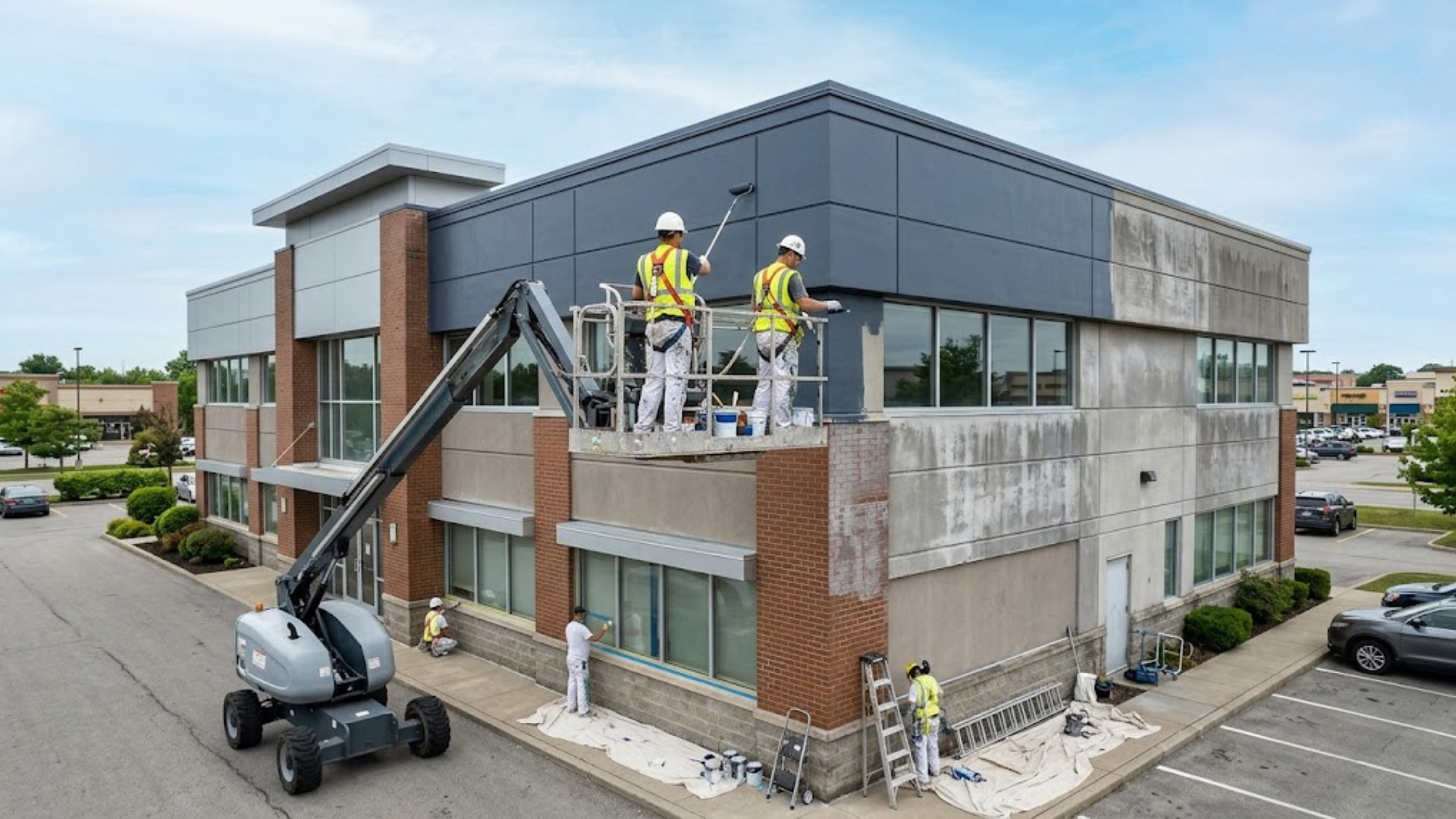
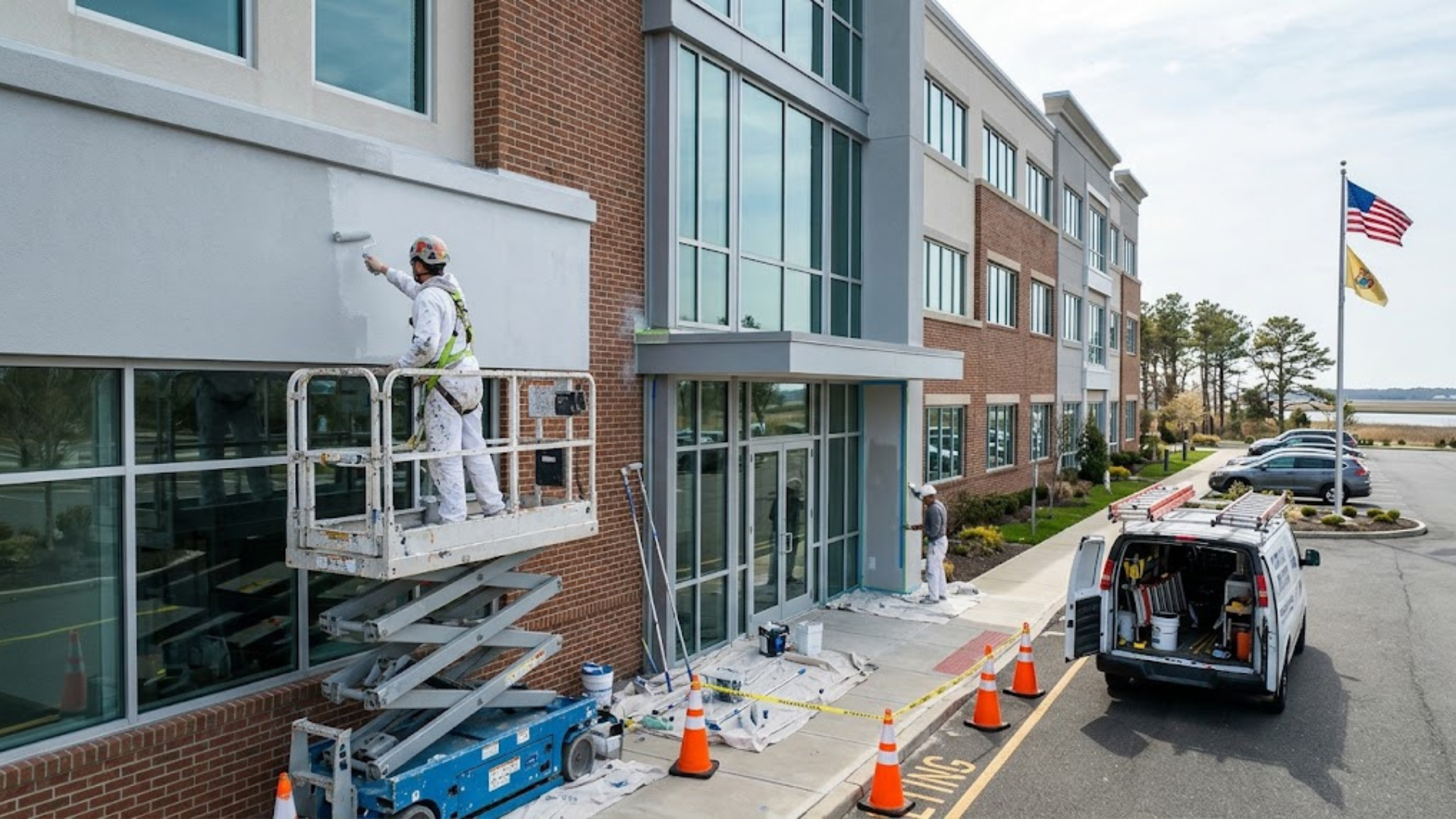
OSHA Site Safety Protocols: Certified crews utilize tied-off fall protection, stable scaffolding, and boom lifts properly. Consequently, they prevent dangerous workplace liability claims.
-
ADA and Facility Markings: Professional teams paint high-visibility handrails, wheelchair ramps, and emergency egress corridors accurately to ensure total code compliance.
How to Plan Commercial Repainting Around Daily Business Operations
Business owners often delay painting projects out of fear. They worry about loud construction disruptions and lost revenue. However, experienced commercial painting specialists plan projects around your core operating hours.
Phased Section Scheduling
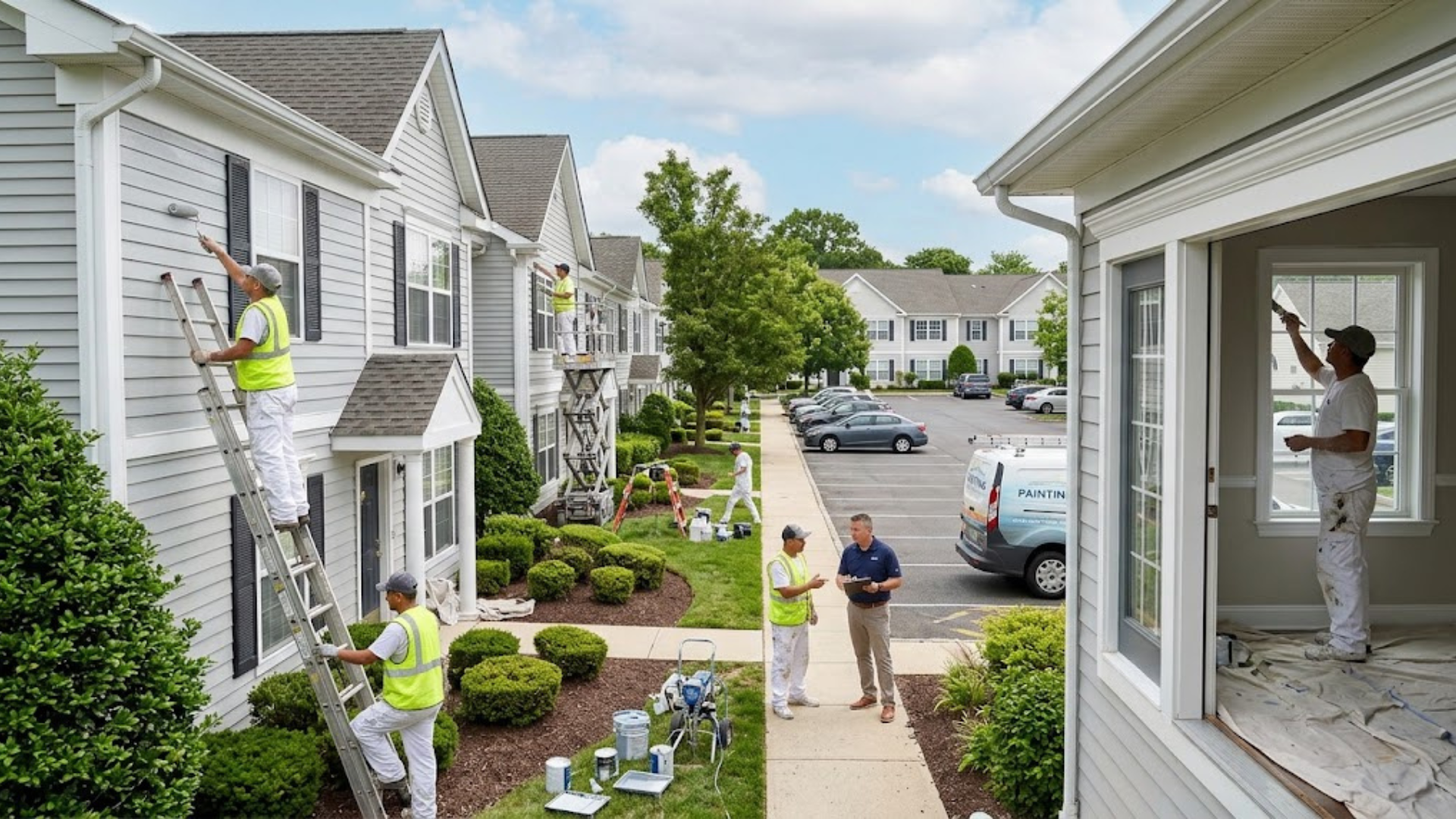
Crews isolate individual floors, wings, or departments systematically. First, technicians seal off the active work area with protective plastic walls. Then, they execute prep work and painting in that single zone. Meanwhile, your regular workforce continues daily operations without interruption in the remaining areas.
Off-Hours and Weekend Turnarounds
Commercial crews frequently work night shifts and full weekends. Technicians prep surfaces on Friday evening and apply quick-curing coatings over Saturday and Sunday. As a result, your team returns Monday morning to fully dry, functional workspaces.
Odor and Airborne Containment
Modern industrial crews employ HEPA negative-air scrubbers while they paint. These specialized machines capture paint droplets and volatile fumes at the source. Because of this equipment, sensitive retail shoppers and office workers never inhale lingering odors.
Key Red Flags: When Your Commercial Facility Demands Immediate Attention
Catching coating degradation early saves thousands in repair fees. Watch for these distinct structural warnings:
-
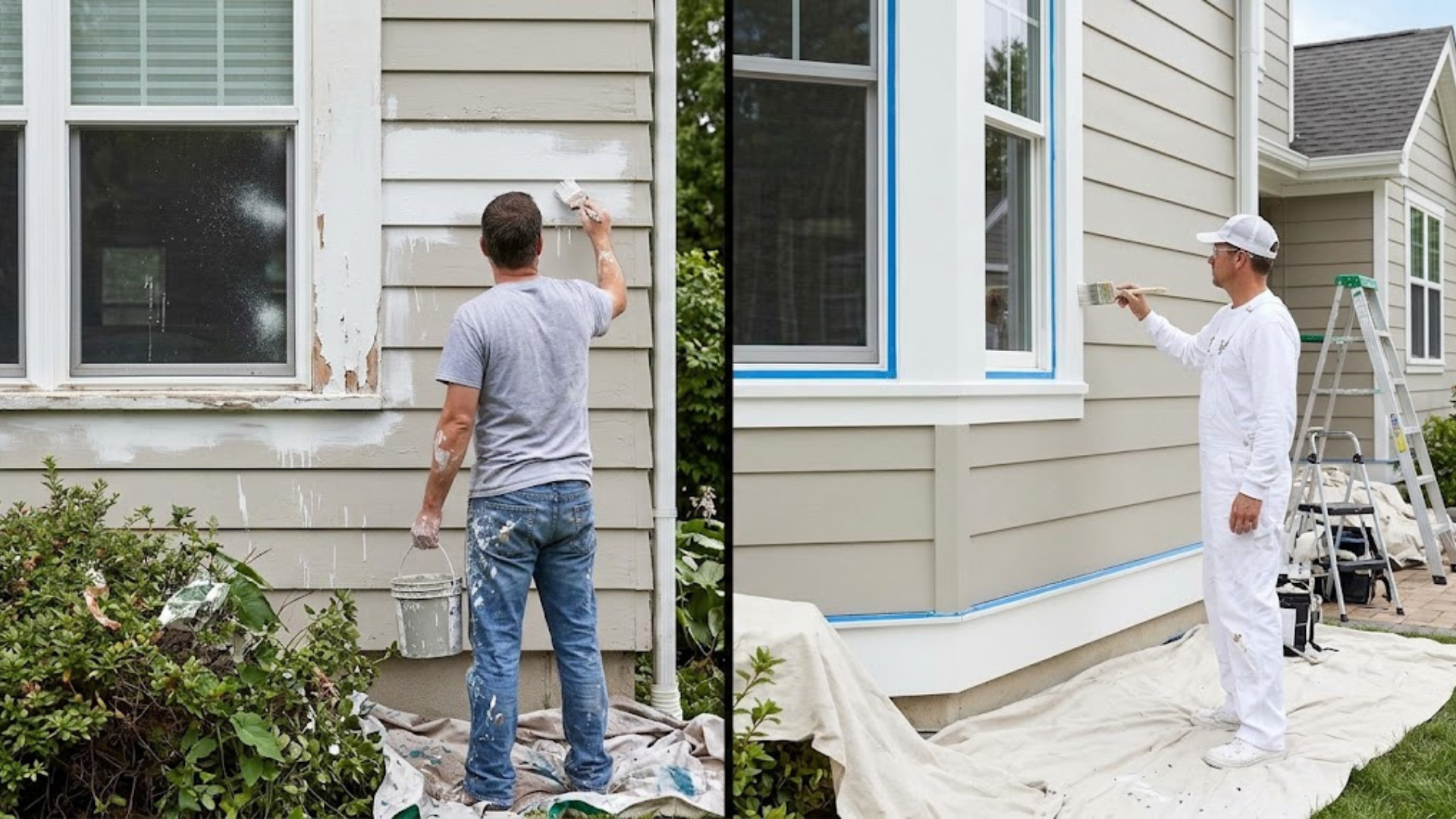
Chalky Residue: Run a bare hand across your exterior walls; white powder signals total UV binder breakdown.
-
Visible Hairline Cracks: Narrow fissures in stucco or mortar allow wind-driven rain to rot interior framing.
-
Flaking and Peeling: Separating paint indicates complete adhesion failure caused by trapped subsurface moisture.
-
Rust Trails: Orange stains bleeding through paint reveal corroding metal fasteners and structural steel beams underneath.
Selecting the Right Commercial Painting Contractor: Vetting Checklist
Selecting an underqualified contractor leads to premature coating failure and costly property disputes. Commercial projects require heavy equipment, certified crews, and strict safety protocols. Therefore, property managers must vet every bidder thoroughly. Always verify the following credentials before signing an agreement:
-
Proof of active commercial general liability insurance and comprehensive workers’ compensation coverage.
-
A proven commercial portfolio highlighting local facilities of similar scope and size.
-
Formal applicator certifications from major industrial coating manufacturers.
-
Written multi-year warranties guaranteeing both coating materials and on-site labor against premature failure.
NJ Commercial Painting Services for Property Managers: The Complete Maintenance & Renovation Guide
How Commercial Painting Helps Preserve Property Value
Painting Services for Monmouth County Property Management Companies