Every homeowner loves a good bargain. However, home improvement projects often punish cheap shortcuts. You might receive two wildly different painting estimates for your home. One painter quotes an ultra-low rate. Meanwhile, an established contractor charges a premium rate. Consequently, many homeowners choose the lower quote to save cash up front. Unfortunately, the price gap exists for very clear reasons. Paint transforms the look of your home quickly. Even so, the durability of that finish depends entirely on craftsmanship. In fact, cheap paint jobs begin to fail rapidly. Within months, hairline fractures and uneven patches will reveal poor artistry. In contrast, skilled painters create finishes that last for a decade. Understanding these core differences protects your wallet, your time, and your home’s equity.
Surface Preparation: Where 80% of the Paint Job Actually Happens
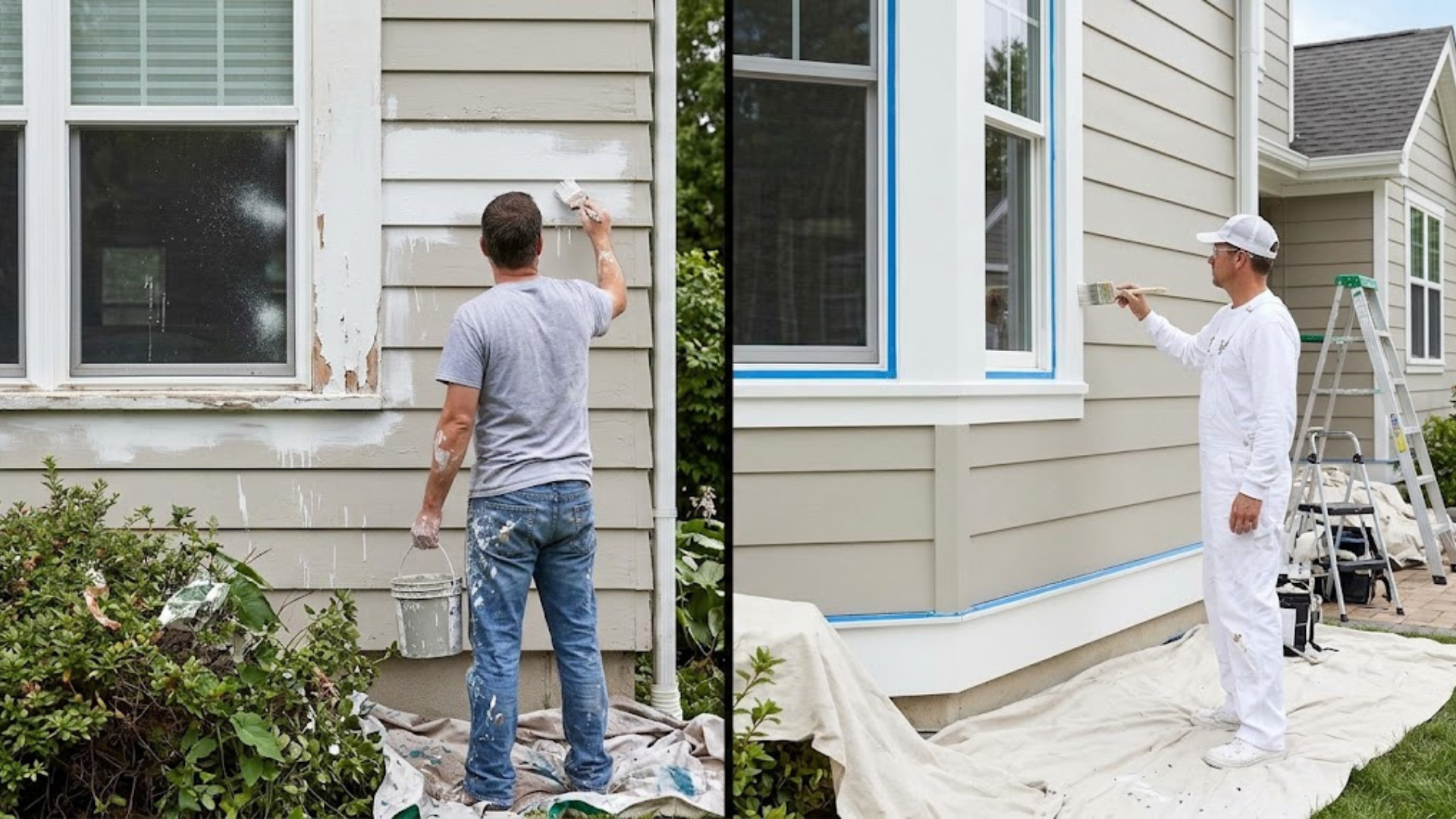
Preparation work determines the actual lifespan of your paint job. Most people assume that painting is simply applying liquid to drywall or siding. On the contrary, real painters spend eighty percent of their working hours prepping surfaces.
What Low-Cost Contractors Skip
Low-cost painters earn profits strictly through speed. Therefore, they skip essential prep steps to complete jobs in record time:
-
They roll wet paint directly over household dust, greasy walls, and pet dander.
-
They paint right over cracked, brittle, and rotting caulk without scraping old material out.
-
They neglect to prime raw wood, bare drywall, and repaired patches.
-
They ignore small dents, drywall nail pops, and spiderweb cracks.
-
They paint over loose, flaking exterior paint without proper power washing or hand-scraping.
The Professional Prep Standard
In contrast, professional contractors treat prep work with intense precision. First, technicians wash surfaces to eliminate mildew, chalking, and dirt. Next, they scrape away loose paint with heavy carbide scrapers. After that, they feather-sand the hard edges until the transition feels smooth. They also fill holes using premium spackle and elastomeric caulking. Finally, they apply specialized bonding primers over bare areas. This careful routine creates a secure anchor for every topcoat.
Material Grades: Commercial-Grade Acrylics vs. Watered-Down Contractor Buckets
Paint formulation directly influences real-world longevity. Low-cost painters cut their overhead by purchasing budget builder-grade paints. These low-tier formulas contain heavy amounts of cheap solvents and chalky fillers. Furthermore, they carry very low percentages of active resin solids. Because of this weak chemistry, the paint dries into a brittle, thin film. Consequently, you need three or four coats just to cover an existing color.
Conversely, licensed professionals invest in commercial-grade 100% acrylic paints. These premium coatings cost twice as much per gallon. However, they deliver dense pigment loads and tough elastomeric binders. The paint flows evenly from the brush tip. Moreover, it self-levels smoothly and resists daily scrubbing. Premium paint also blocks moisture intrusion and shields against severe sun fading. Thus, better paint saves money over time by resisting premature wear.
Side-by-Side Comparison: Cheap Painter vs. Professional Contractor
The structural gap between amateur painters and certified crews shows across every operational metric. Here is how both options compare in practical performance:
| Evaluation Metric | Budget / Cheap Painter | Professional Painting Contractor |
| Surface Preparation | Basic dust wipe or paints over loose debris | Thorough washing, scraping, sanding, and priming |
| Paint Grade | Builder-grade paint high in cheap fillers | Premium 100% acrylic paint with dense pigments |
| Application Equipment | Low-cost rollers, shedding synthetic brushes | Commercial airless sprayers and lint-free sleeves |
| Aesthetic Consistency | Visible lap lines, roller stipple, and streaks | Smooth coverage with laser-straight cut lines |
| Average Lifespan | 2 to 4 years before cracking or peeling | 7 to 10+ years of durable wall protection |
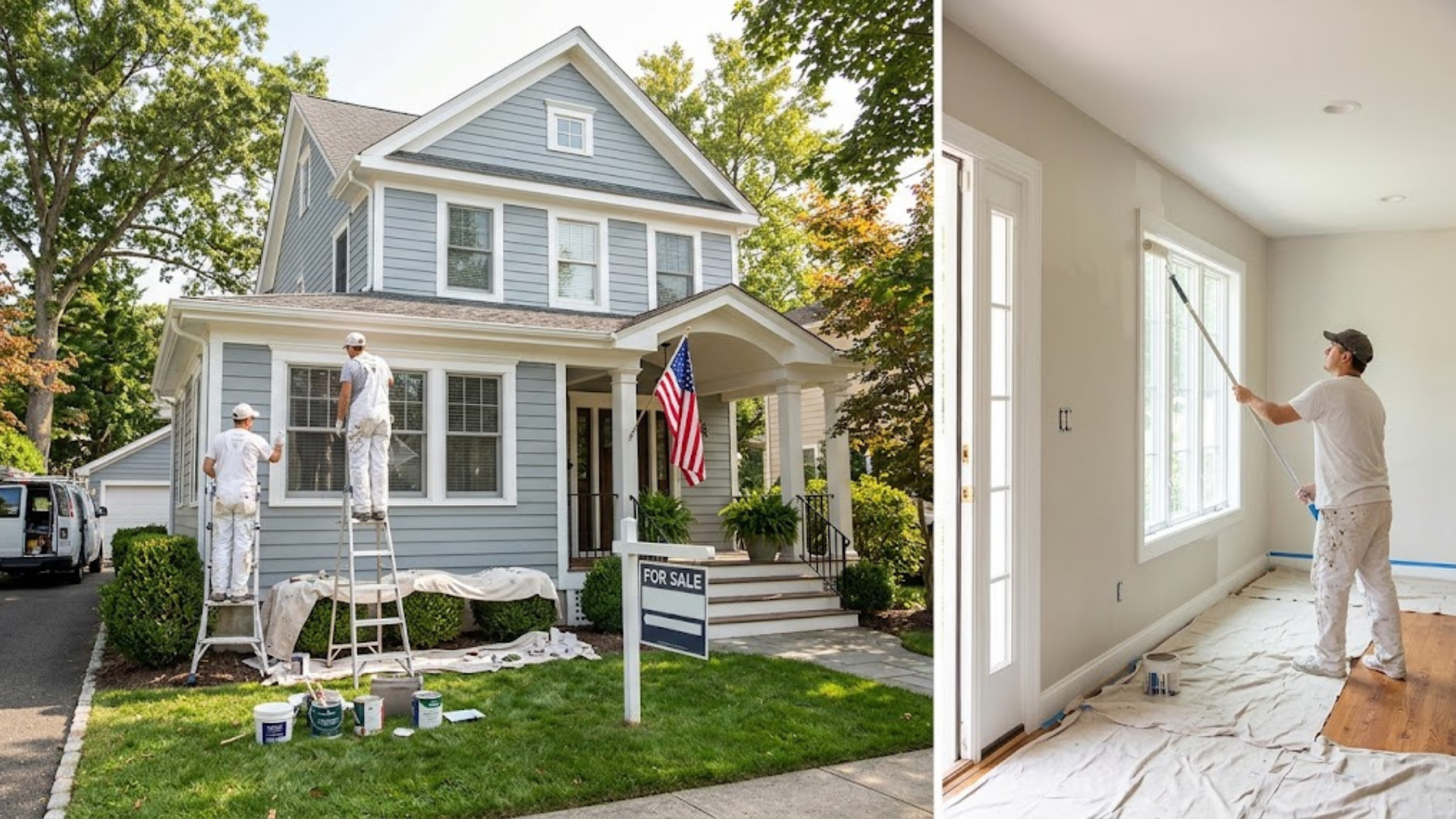
| Property Protection | Thin plastic sheets and leaky drop cloths | Heavy canvas drop cloths, plastic masks, and tape |
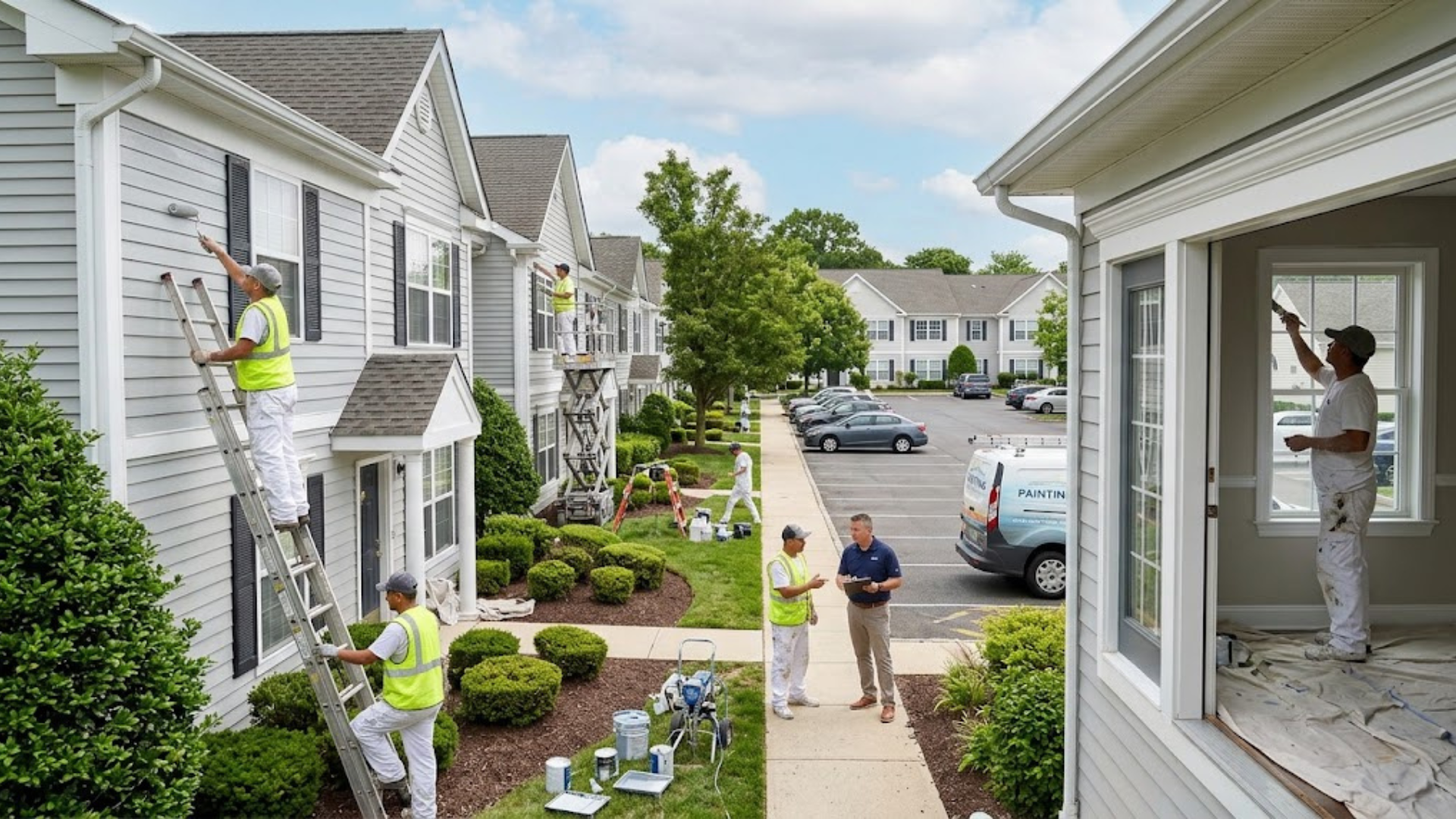
| Insurance Coverage | Rarely carries liability or worker policies | Full general liability and active workers’ comp |
| Project Warranty | Verbal assurances that vanish quickly | Multi-year written warranties covering peeling |
Precision and Cleanliness: The Visible Aesthetic Flaws
The human eye quickly notices messy brushwork. When you step into a freshly painted room, small errors instantly catch the light. You will easily spot the marks of a low-cost painter through these common defects:
-
Ragged Cut Lines: Cheap painters work without steady hands or proper tape. Therefore, paint bleeds straight onto ceilings, baseboards, and window trim.
-
Flashing and Sheen Variations: Thin paint dries at uneven rates. As a result, certain wall sections look shiny while adjacent spots look dull.
-
Roller Stipple and Brush Strokes: Inexpensive roller covers shed fibers directly into wet paint. Furthermore, low-grade brushes leave deep groove marks across door casings.
-
Drips and Splatter: Careless painters rush their work. Consequently, you will find dried paint beads along baseboards, door hinges, and hardwood floors.
In contrast, master painters cut razor-straight lines against ceilings without bleeding. They maintain a consistent wet edge while rolling. Therefore, their walls dry with a uniform, furniture-grade finish.
Longevity and Durability: Why Low Quotes Fail Within 24 Months
A bargain paint job often looks acceptable for the first three months. Soon after, environmental stress begins to attack the weak film. High humidity in bathrooms weakens unprimed surfaces. Daily friction in hallways rubs thin paint down to bare drywall. Outdoors, summer heat expands wood siding rapidly. Cheap paint lacks elastic flexibility. Therefore, the topcoat cracks under thermal expansion. Moisture then slips behind the paint film. Soon, large sheets of paint blister and peel away from the wood. In the end, a cheap exterior job starts deteriorating within two years. On the other hand, a professional paint system flexes with temperature changes. Because the crew applied high-grade primer, the topcoat clings tightly to the substrate for a decade.
Safety, Licensing, and Liability: The Hidden Financial Risks
Price differences also reflect legal protection. Cheap contractors keep prices low because they bypass essential business expenses. Specifically, they operate without proper licensing or general liability insurance. Even worse, they skip workers’ compensation policies for their crew.
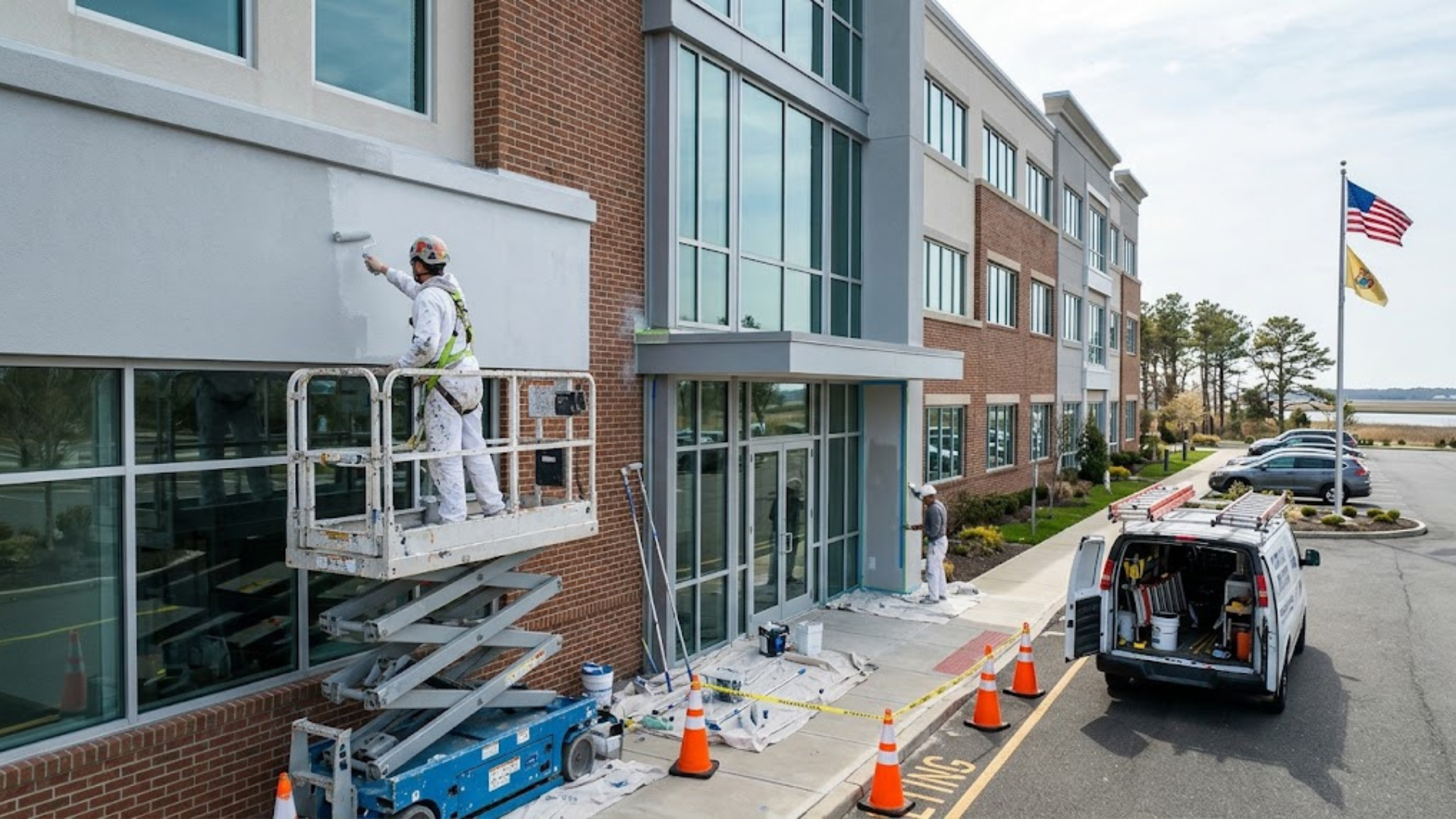
Painting involves heavy physical hazards. Painters carry tall extension ladders, navigate steep rooflines, and handle toxic fumes. If an uninsured worker falls off a ladder on your property, you face extreme financial risk. The injured painter can sue your personal homeowner policy for medical bills and lost wages. Conversely, professional contractors carry comprehensive coverage. They supply formal certificates of insurance before touching a tool. Thus, they protect your family and your property from devastating legal liability.
The Cost of Rework: Why “Cheap” Costs Twice as Much
Hiring a budget painter usually leads to expensive rework. When paint bubbles and flakes after two years, you cannot simply add another layer of paint on top. Instead, a new painter must scrape, strip, and sand away the failing layers. That corrective labor takes twice as long as standard painting. In addition, technicians must apply special stain-blocking primers to stabilize damaged drywall.
Consequently, fixing a failed paint job costs significantly more than doing the work correctly from day one. You pay the cheap painter first. Then, you purchase corrective repairs. Finally, you pay a professional to redo the entire project. Therefore, skipping quality up front always inflates your long-term renovation budget.
How to Vet a Painting Contractor Before Signing
Never hire a contractor based on a quick verbal quote. Instead, follow these steps to secure a reliable, high-performing painter:
-
Ask for a comprehensive written estimate that explicitly details prep steps, paint brands, and coat counts.
-
Request proof of active general liability insurance and workers’ compensation coverage directly from their insurance agency.
-
Review verified local references and inspect high-resolution photos of past trim and ceiling cuts.
-
Verify that the contractor provides a written, multi-year warranty covering peeling, blistering, and labor.
Conclusion: Making an Investment That Protects Your Home
A fresh paint job is much more than a cosmetic update. Indeed, it forms your home’s primary defense against moisture, ultraviolet light, and daily friction. A cheap painter offers temporary cosmetic coverage with weak materials and skipped prep work. Conversely, a certified painting contractor delivers deep surface preparation, premium acrylic chemistry, and guaranteed durability. Ultimately, professional painting protects your structure, preserves your equity, and provides lasting peace of mind. Invest in professional craftsmanship today and enjoy flawless walls for years to come.
Other Post:
Painting Services for Monmouth County Property Management Companies
How Much Does It Cost to Hire Professional House Painters in NJ?
What Affects the Cost of Residential Painting in New Jersey?