Paint does far more than dictate the mood of your living room or give your facade an attractive personality. Both inside and out, quality paint serves as a vital protective barrier against weather, UV degradation, moisture intrusion, and everyday wear and tear. Over time, sunlight, temperature shifts, humidity, and active foot traffic inevitably wear down this protective seal.
Waiting too long to apply a fresh coat often turns a simple weekend refresh into a costly repair job involving wood rot, drywall replacement, or extensive surface remediation. If you are wondering whether it is time to grab a brush or hire a professional painting crew, here are the 10 telltale signs your home is overdue for a repaint.
Peeling, Flaking, or Bubbling Surfaces
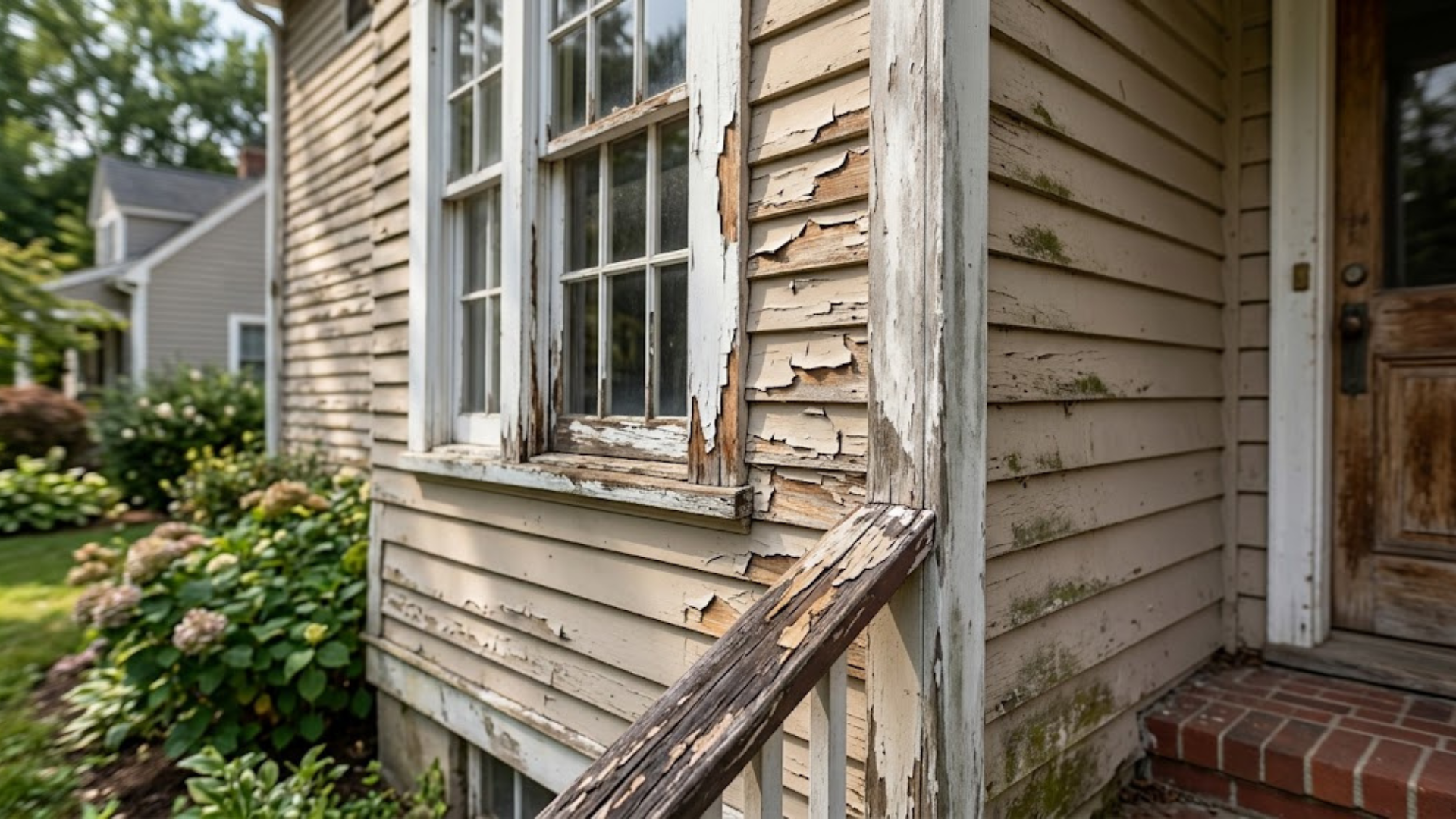
When paint begins to pull away from drywall, trim, or exterior siding, the underlying surface is already compromised. Peeling and bubbling occur when the paint film loses adhesion to the substrate—frequently caused by trapped moisture, poor primer application, or age-related brittleness.
-
Drywall & Ceilings: High humidity in bathrooms and kitchens often traps condensation behind the paint layer, forming water blisters that peel off in sheets.
-
Exterior Siding: Once exterior paint flakes, bare wood or fiber cement is exposed directly to rainwater, drastically accelerating rot and mildew development.
-
The Diagnostic Rule: If scraping a 2-inch bubble reveals dry, crumbling powder or damp wood underneath, stop spot-patching. The entire wall requires comprehensive scraping, priming, and repainting.
Noticeable Sun Fading and Washed-Out Color
Direct sunlight is one of paint’s fiercest adversaries. High levels of ultraviolet (UV) radiation break down the binder resins and organic pigments in paint over time. This leaves south- and west-facing exterior walls looking washed-out, uneven, or dull compared to shaded elevations. Inside, large sun-drenched windows can bleach living room walls in awkward, noticeable patches. Beyond the cosmetic issue of flat, lifeless color, fading indicates that the paint’s binder matrix has degraded, leaving the surface exposed to weather damage.
Spiderweb Cracking and “Alligatoring”
Cracking paint often starts as subtle, hairline fractures that look like fine spiderwebs. If left untreated, these hairline fissures widen and interconnect into deep, scaly patterns commonly known in the painting trade as “alligatoring.”
What Causes It?
Alligatoring typically happens when a rigid, inflexible topcoat is painted over an uncured or excessively flexible base coat. It is also common on older homes where decades of paint layers can no longer withstand repeated seasonal expansion and contraction.
Why You Shouldn’t Ignore It
Once paint cracks down to the primer or bare substrate, it acts like an open funnel for rain, dew, and moisture. Water seeps behind the paint layer, soaking into wood or plaster and rotting the framing from within.
Chalking: The “Powder Residue” Test
Have you ever brushed against an exterior wall and walked away with a chalky, white film on your clothes? That powder is the direct result of a phenomenon known as paint chalking.
-
The Mechanism: Prolonged UV exposure decomposes the paint’s resin, releasing raw pigment particles to the surface.
-
How to Test: Swipe your fingers or a dark microfiber cloth across your siding. A faint smudge is normal on older paint, but a thick, opaque powder means the paint film has oxidized completely.
-
The Risk: Once chalking becomes severe, rainwater washes the paint away layer by layer, thinning the protective shield down to the bare wall.
Brittle, Cracked, or Missing Caulk Lines
Paint and caulk work as an integrated defense system. When checking your exterior paint, inspect the caulked seams around window frames, exterior doors, fascia boards, and corner trim. High-grade exterior caulk expands and contracts with shifting temperatures. Over time, continuous exposure causes it to dry out, shrink, harden, and split open. If your caulk lines are cracked and pulling away, the surrounding paint has likely reached the end of its lifespan as well.
Stubborn Scuffs, Stains, and Burnished Spots
In high-traffic areas—such as entryways, hallways, mudrooms, and stairwells—walls take a constant beating from shoes, pets, backpacks, and furniture.
-
Loss of Washability: Standard interior finishes (especially flat or eggshell sheens) wear down with repeated scrubbings. Eventually, washing the wall lifts the pigment rather than removing the mark.
-
Burnishing: Constant friction from rubbing creates shiny, polished patches (burnishing) on matte finishes that cannot be washed away or blended out.
-
Worn Baseboards: Kick marks, vacuum strikes, and mop chemicals often strip baseboard paint down to bare wood or MDF, signaling the need for a resilient semi-gloss refresh.
Persistent Mildew, Mold, and Water Staining
While minor surface mildew in shaded areas can often be cleaned off with a specialized wash, recurring mold or deep water rings point to deeper moisture retention. If water stains on your bathroom walls or living room ceilings keep bleeding through, the paint seal has broken down. Applying a mold-inhibiting, high-adhesion primer followed by two coats of premium interior or exterior paint is the only way to re-establish an impenetrable barrier.
Outdated Schemes and Declining Curb Appeal
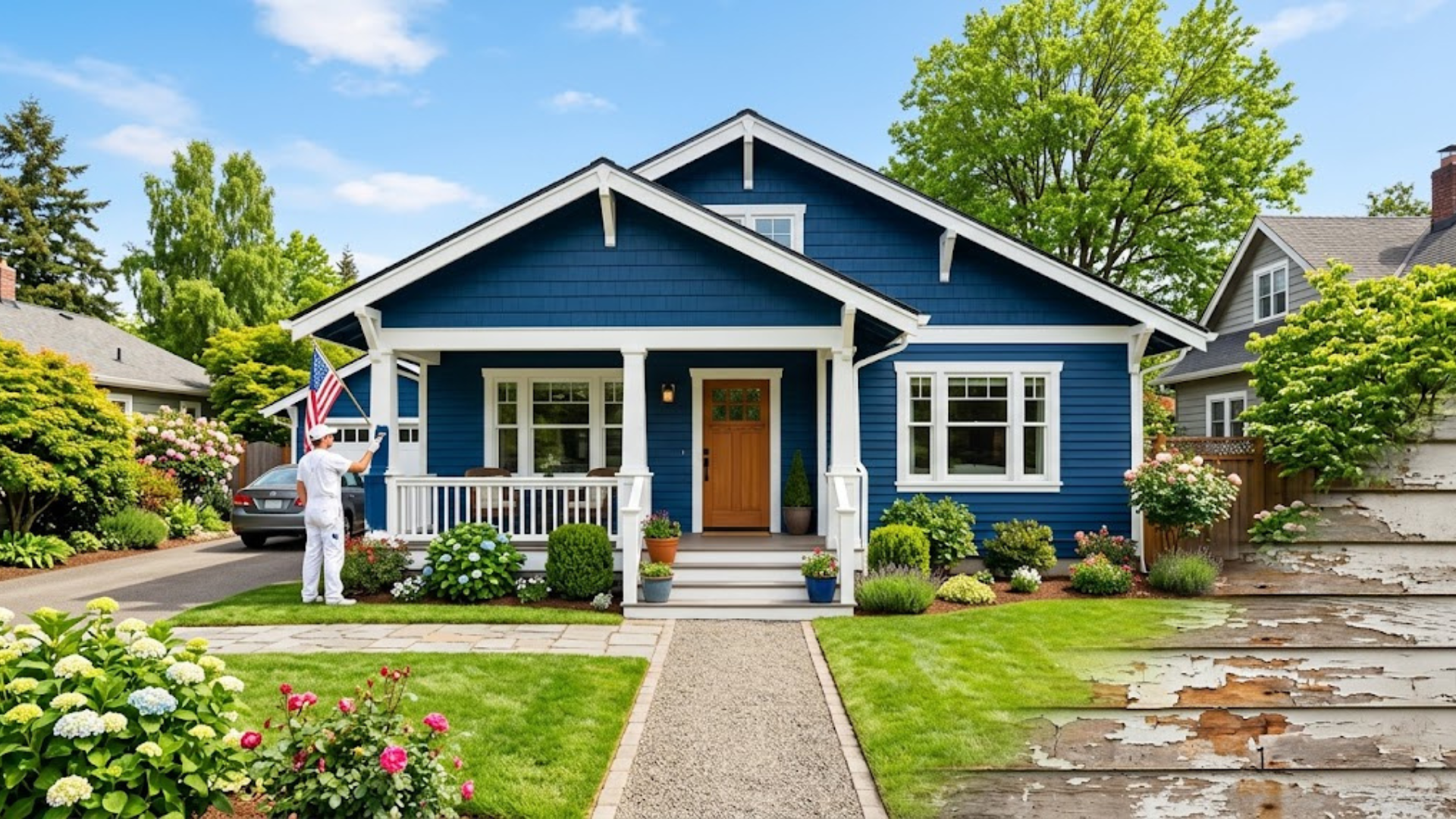
Sometimes your paint isn’t structurally failing; it is simply outdated. Color trends evolve, and an exterior sporting dated mustard yellows or tired earth tones instantly ages a property. A modern, fresh coat of paint in crisp neutrals, warm whites, or tasteful dark accents elevates curb appeal, makes architectural details pop, and revitalizes the entire neighborhood presence of your home.
Preparing to Sell and Maximizing ROI
If you are planning to list your home on the real estate market, repainting is one of the most cost-effective cosmetic investments you can make. Prospective buyers formulate their initial impression within the first few seconds of stepping onto the driveway. Peeling trim or scuffed interior walls send an immediate signal of deferred maintenance. A fresh, neutral palette brightens interior rooms, eliminates lingering odors, and regularly delivers a return on investment (ROI) exceeding 100%.
Your Paint Warranty or Standard Lifespan Has Expired
Every exterior cladding material and interior room has an expected repainting maintenance window. Even if you don’t yet see dramatic flaking, repainting near the end of the recommended cycle avoids costly preparation work down the road.
Recommended Repainting Timelines by Surface
| Surface / Material | Recommended Repainting Interval | Key Indicator for Repainting | Maintenance Priority |
| Wood Siding & Trim | Every 3 to 7 years | Peeling edges, hairline cracks, bare spots | High |
| Stucco & Masonry | Every 5 to 10 years | Hairline fissures, chalking, chipping | Moderate |
| Aluminum & Vinyl Siding | Every 8 to 12 years | Chalking residue, severe sun fading | Moderate |
| High-Traffic Interiors | Every 3 to 5 years | Scuffs, burnished sheen, wash-wear | Medium |
| Low-Traffic Interiors | Every 7 to 10 years | Dullness, corner cracking, yellowing | Low |
Protect Your Investment Today
Recognizing these signs early is the key to preserving your home’s value and structural integrity. Whether you are dealing with peeling trim, chalking siding, or simply want to breathe new life into an outdated color scheme, a professional paint job provides durable beauty and protection that lasts for years to come. Take a walk around your home this week, run the chalk test, check your high-traffic trim, and plan your repaint before minor wear turns into costly damage.