Your commercial building shapes customer trust before anyone steps inside. However, harsh weather, daily foot traffic, and relentless sunlight slowly wear down paint coatings. Knowing when to repaint a commercial property protects your structural investment and keeps your business looking sharp. Furthermore, timely updates prevent costly repairs down the road. Below, we explore the top signs that your building needs fresh paint and how you can plan the project smoothly.
Visible Paint Failure: Peeling, Cracking, and Blistering
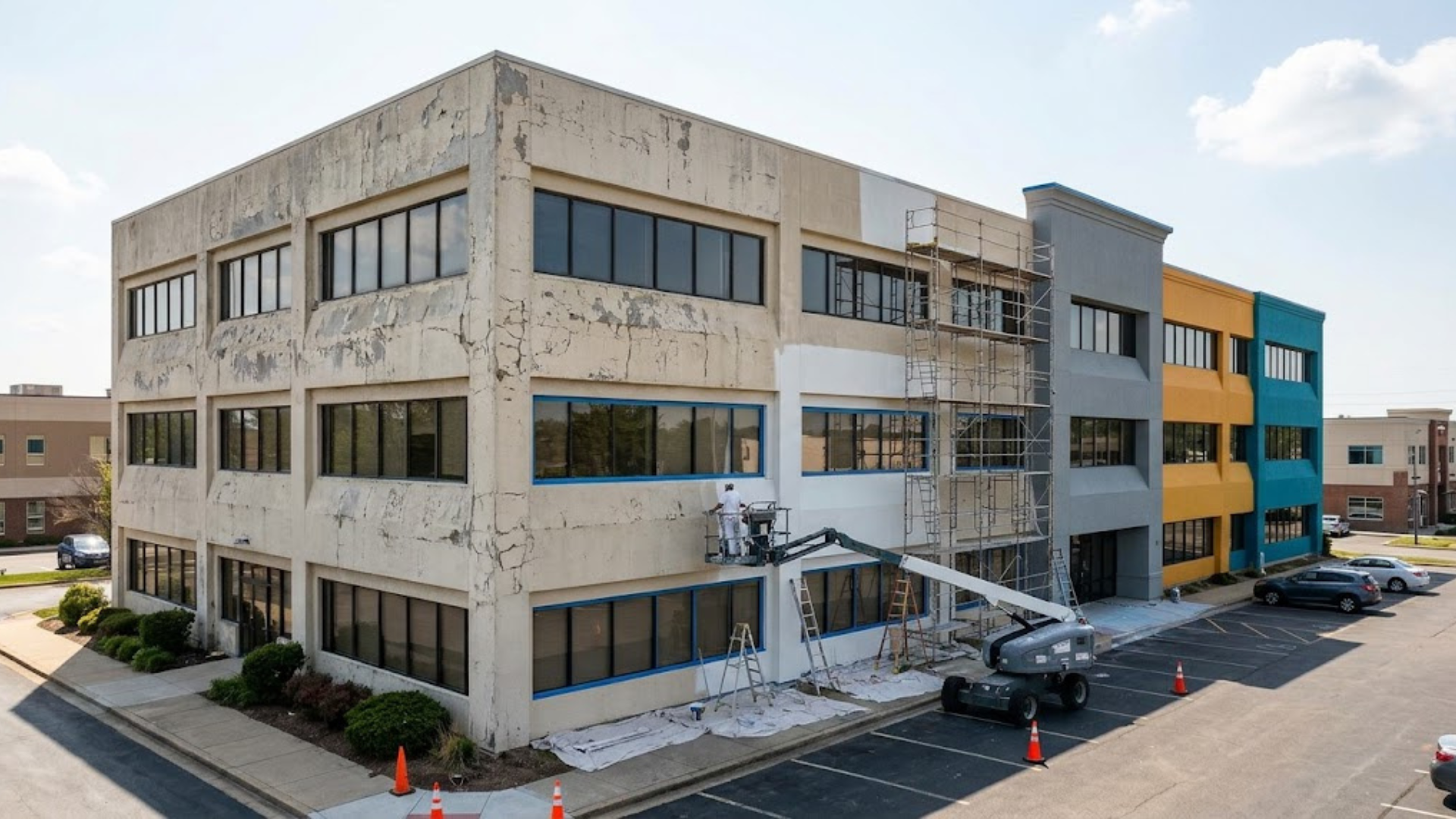
First, inspect your building’s exterior walls for obvious surface breakdown. Paint acts as a protective shield against rain, wind, and temperature swings. Once that shield cracks, moisture enters the underlying material and causes rapid decay. Therefore, you should watch closely for these four warning signs:
-
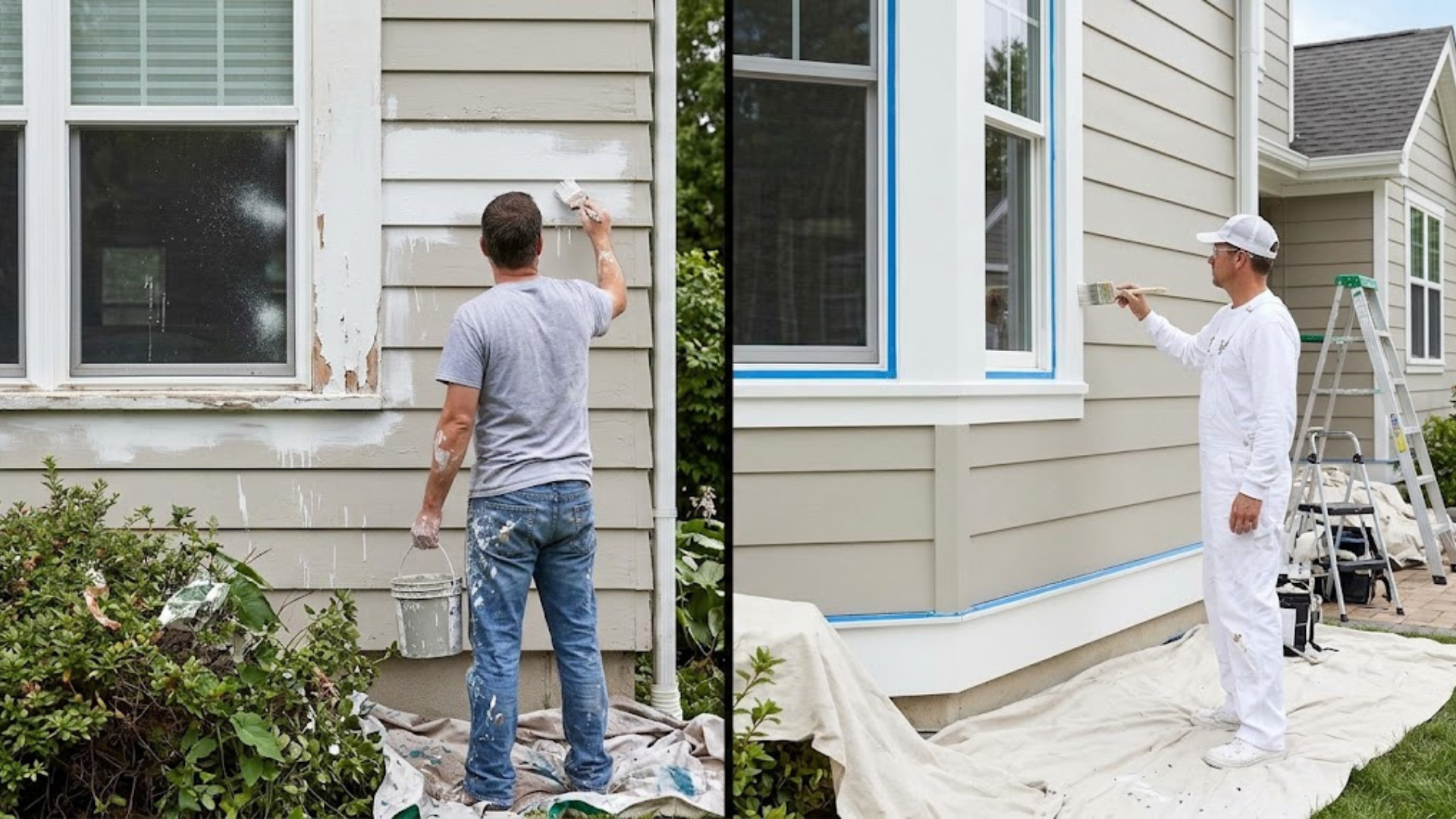
Peeling and Flaking: Paint strips away from the wall when adhesion fails due to old age or trapped dampness.
-
Cracking and Alligatoring: Deep fractures appear in the paint film when aging coatings lose their flexibility under extreme heat and cold.
-
Bubbling and Blistering: Raised pockets form when moisture or heat pushes the paint away from the surface.
-
Chalking: A fine, powdery dust rubs off onto your hand because sunlight has broken down the paint’s binding resins.
Fading Colors and Severe UV Discoloration
Next, step back and examine your building’s color vibrancy. Constant ultraviolet rays gradually bleach dark and bright pigments. Consequently, south- and west-facing walls often look washed out compared to shaded sides. Moreover, uneven fading makes a thriving business appear neglected. Modern commercial building painting systems feature advanced UV-resistant resins. Applying these updated coatings restores bold color and blocks sun damage for years.
Water Stains, Mold, Mildew, and Rust on Substrates
Sometimes, paint failure hides deeper structural problems. You must check different building materials for moisture and corrosion issues right away.
Masonry, Stucco, and Concrete Efflorescence
Water often leaves white, powdery salt deposits called efflorescence on brick and stucco. Additionally, dark water streaks and hairline cracks show that moisture is seeping inside. Fresh elastomeric coatings seal these tiny gaps and stop freeze-thaw damage.
Metal Siding, Railings, and Structural Steel Corrosion
Metal surfaces rust quickly once their protective paint chips away. Therefore, inspect steel doors, railings, and metal cladding for orange rust spots. Applying industrial protective coatings halts oxidation before corrosion weakens structural steel.
Mold, Mildew, and Algae Growth
Damp, shaded walls frequently develop green or black biological growth. In fact, mold and mildew trap moisture against siding and hurt air quality. Professional painters wash away these spores and apply mildew-resistant finishes.
Recommended Repainting Timelines by Building Material
Every exterior and interior surface ages at a different pace. Thus, tracking your building’s last paint date helps you schedule proactive upkeep. Use the table below to plan your commercial exterior painting maintenance cycle.
| Commercial Surface / Material | Average Repaint Cycle | Key Environmental Stressors | Recommended Coating System |
| Stucco & Masonry | 7 – 10 Years | Moisture intrusion, hairline cracks, UV rays | Elastomeric or breathable masonry acrylic |
| Metal & Steel Siding | 5 – 8 Years | Oxidation, rust, thermal expansion, chalking | Direct-to-metal (DTM) epoxy or polyurethane |
| Wood Trim & Siding | 3 – 7 Years | Rot, warping, humidity, insect damage | High-build exterior acrylic latex with primer |
| Concrete Tilt-Up / Brick | 10 – 15 Years | Efflorescence, pollution grime, alkali burn | Siloxane or heavy-duty architectural coating |
| High-Traffic Interiors | 3 – 5 Years | Scuffs, cleaning chemicals, furniture impact | Scuff-resistant, low-VOC commercial paint |
Interior Wear and Tear in High-Traffic Commercial Zones
While exterior walls battle the weather, interior walls endure constant human contact. Scuffed, dingy walls lower employee morale and impress clients poorly. Consequently, facility managers should inspect these four interior areas regularly:
-
Lobbies and Reception Areas: Visitors notice handprints, luggage scuffs, and dull walls immediately upon arrival.
-
Hallways, Stairwells, and Breakrooms: High foot traffic demands durable, washable enamels that resist daily bumps.
-
Restrooms and Commercial Kitchens: Steam and harsh sanitizers require moisture-proof, antimicrobial wall coatings.
-
Warehouse Floors and Safety Striping: Faded yellow safety lines create serious OSHA hazards and slow down workflow.
Rebranding, Ownership Changes, or Tenant Turnover
Physical damage is not the only reason to repaint. Strategic business changes also call for a fresh coat of paint. For instance, launching a corporate rebrand requires updating your building to match new brand colors. Similarly, property managers repaint vacant suites during tenant turnover. Clean, modern spaces attract higher-paying tenants and help leases close much faster.
Declining Curb Appeal and Competitive Market Pressure
Your storefront competes directly with neighboring businesses every single day. Strong commercial property curb appeal draws customers through your front door. Conversely, a faded exterior pushes shoppers toward cleaner competitors. Furthermore, worn paint lowers commercial property appraisals during refinancing or sales. Investing in fresh paint boosts market value and strengthens customer confidence instantly.
Indoor Air Quality Concerns and Outdated Paint Formulas
Older commercial buildings often contain yellowing oil paints or high-VOC coatings. Unfortunately, outdated formulas release harsh fumes and trap dirt easily. Today, facility managers choose zero- and low-VOC commercial paint for healthier workplaces. These eco-friendly coatings dry fast, emit almost no odor, and improve indoor air quality. As a result, crews can paint offices without giving staff headaches.
The Financial Cost of Delaying Commercial Exterior Painting Maintenance
Many owners delay painting to save money in the short term. However, postponing upkeep always leads to much steeper repair bills later.
Preventive Repainting vs. Structural Restoration
Routine painting costs a fraction of major building restoration. Once paint fails, water rots wooden trim, rusts metal panels, and ruins interior drywall. Therefore, timely repainting saves thousands of dollars in carpentry and structural repairs.
Energy Efficiency Benefits of Modern Reflective Coatings
Modern light-colored exterior paints reflect harsh solar heat away from your roof and walls. Consequently, your HVAC system works less during hot summer months, lowering monthly utility bills.
How to Plan Your Commercial Repainting Project Without Disrupting Business
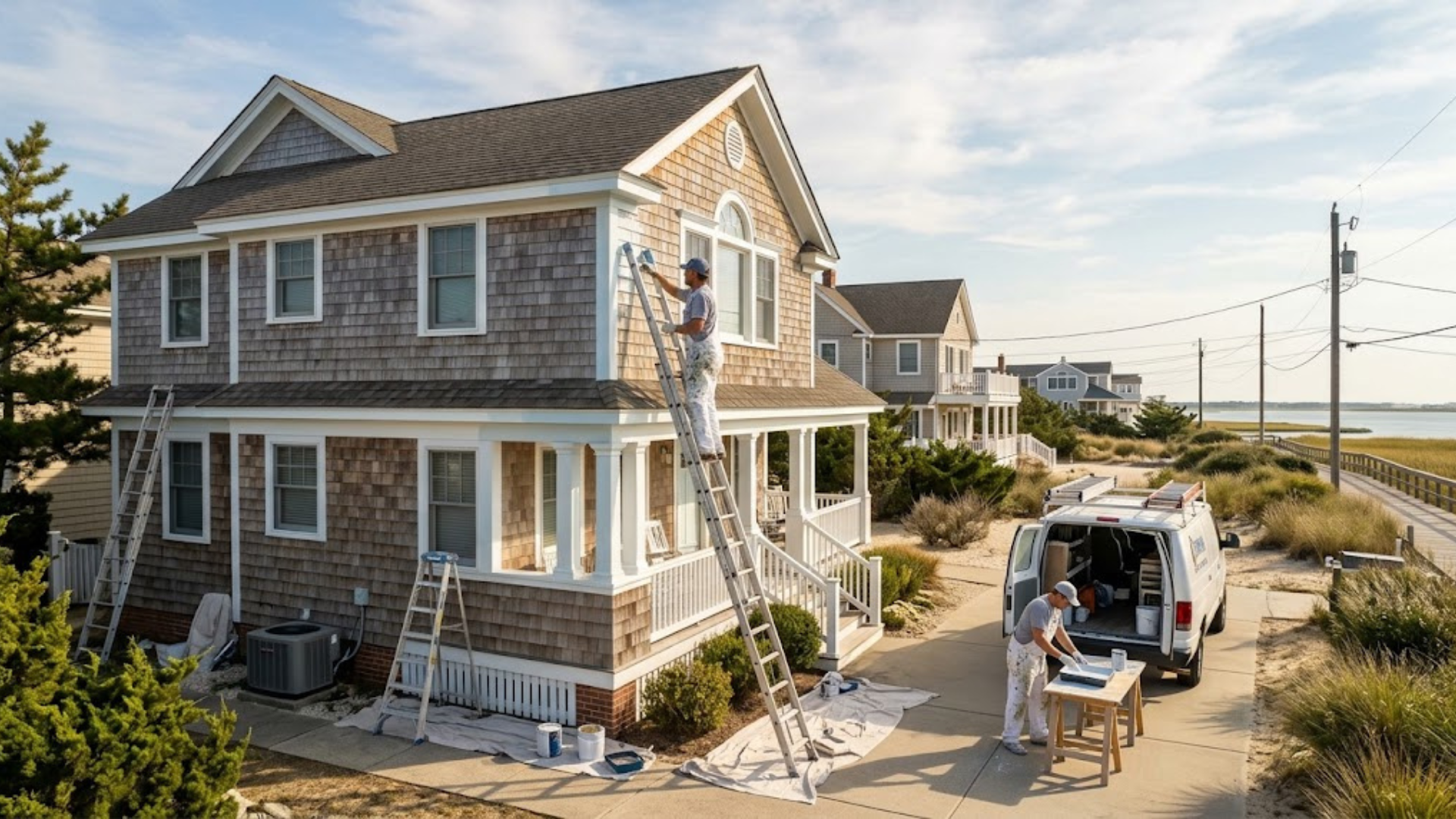
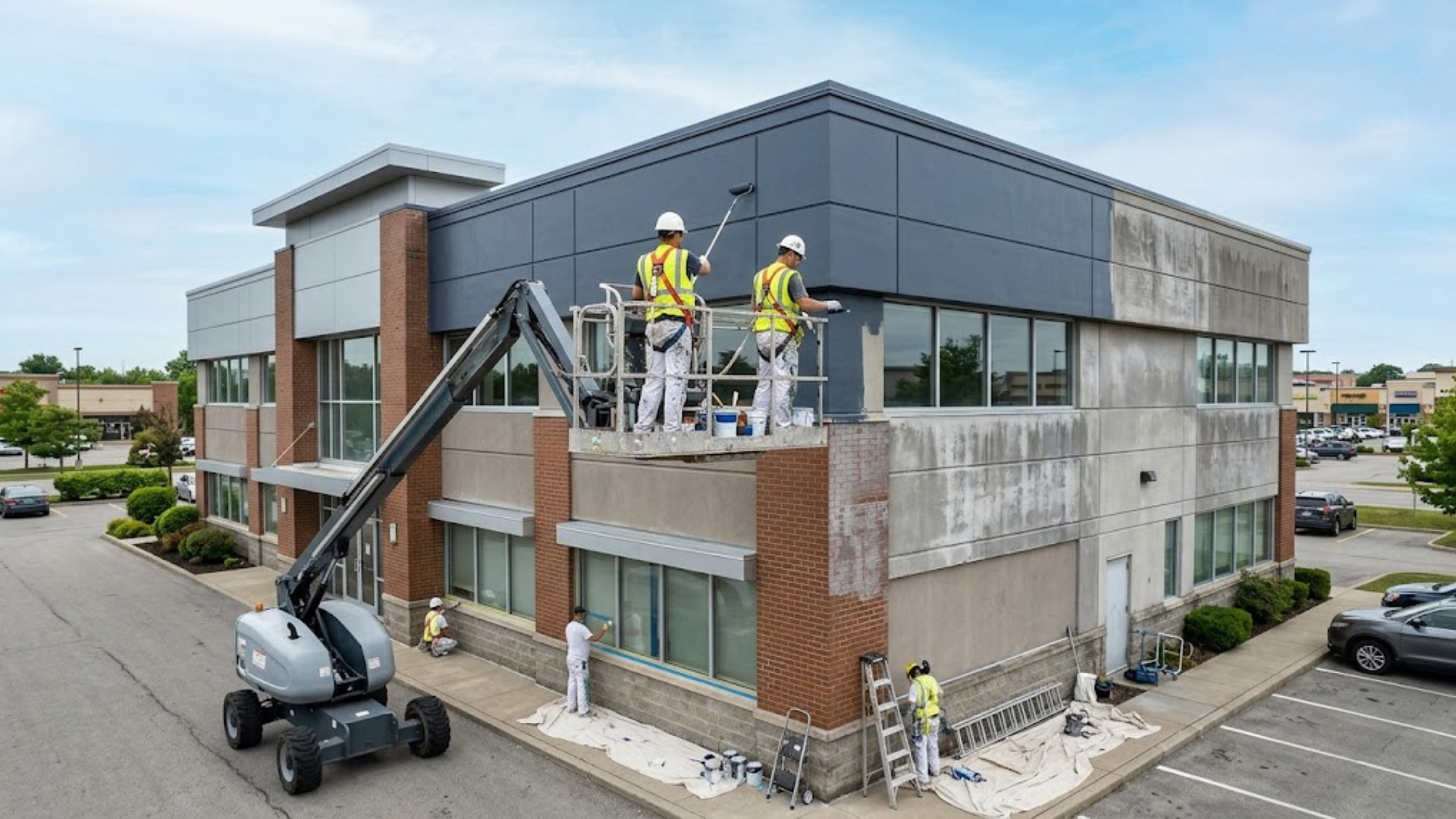
Hiring experienced commercial painting contractors ensures your project finishes on time and within budget. Follow these four steps to avoid business downtime:
-
Schedule a Professional Surface Audit: Have experts inspect your building for moisture leaks and substrate damage first.
-
Choose the Optimal Season: Book exterior painting during mild, dry weather so coatings cure properly.
-
Request Off-Hours or Phased Scheduling: Ask crews to paint during nights, weekends, or in small sections to keep operations open.
-
Verify Commercial Credentials: Confirm full liability insurance, OSHA safety training, and written manufacturer warranties.
Protect Your Commercial Property Today
Recognizing when to repaint a commercial property keeps your building safe, attractive, and profitable. Fresh paint stops weather damage, boosts employee pride, and wins over new customers. Do not wait until peeling paint turns into expensive structural rot. Contact a trusted commercial painting team today to schedule a thorough property inspection and request a detailed project estimate.
Other Post:
How Professional Painting Helps Protect Your Commercial Property Investment
Painting Services for Monmouth County Property Management Companies
Commercial Painting for Ocean County Offices and Professional Buildings